ALBUM NOTESAlbum spotlight: John Cage – First Construction
First Construction- Album Overview
John Cage's "First Construction" was released in 1939 as part of his innovative approach to music composition, which sought to break away from traditional Western musical forms. The album is notable for its experimental nature and Cage's exploration of non-standard instruments and sounds, particularly focusing on percussion. This work is part of Cage's broader philosophy of "silence" and chance music, where the act of listening becomes as crucial as the sounds produced.
"First Construction" was recorded under the esteemed label, CRI (Contemporary Recordings, Inc.), which played a significant role in promoting contemporary composers. Cage collaborated with various musicians, including prominent percussionists and composers of the time, pushing the boundaries of what constituted music and introducing a new lexicon of sound. The album features a series of pieces that display Cage's fascination with rhythm, texture, and silence, a hallmark of his artistic vision.
Cage’s work in "First Construction" was influential in the evolution of avant-garde music and laid the groundwork for later developments in minimalism and experimental music. This album not only represents a key moment in Cage's career but also marks a significant chapter in the 20th-century music landscape, challenging audiences to rethink their perceptions of music and sound. Its impact resonates through various genres and continues to inspire contemporary musicians and composers.
Review
"First Construction" is a profound exploration of sound and silence, showcasing Cage's radical departure from conventional musical structures. The album's focus on percussion creates a dynamic soundscape that is both intricate and unpredictable. Each track invites listeners into a world where rhythm is deconstructed and reassembled, pushing the boundaries of auditory experience. Cage’s use of unconventional instruments and found objects adds to the textural richness of the compositions, providing an immersive listening experience that demands attention and contemplation.
The artistic vision behind this album reflects Cage’s belief in the importance of the audience's role in music; silence is not merely the absence of sound but an integral part of the musical experience. This concept is woven throughout the album, urging listeners to engage actively with the performance rather than passively consuming it. The absence of traditional melodies and harmonies challenges listeners to appreciate music in its most abstract form, making "First Construction" not just an album but a philosophical statement on the nature of art and existence.
Highlights
- Innovative use of percussion and non-traditional instruments.
- Challenging conventional notions of music and silence.
- Rich textural soundscapes that invite deep listening.
Weak points
- May be inaccessible to those unfamiliar with avant-garde music.
- Some listeners might find the lack of melody off-putting.
- Tracks may feel disjointed for those preferring traditional song structures.
Overall evaluation
"First Construction" stands as a landmark in John Cage's oeuvre, pushing the boundaries of music and challenging listeners to engage with sound in new ways. Its experimental nature may not cater to all tastes, but its significance in the musical canon is undeniable.
Personal rating: 8/10


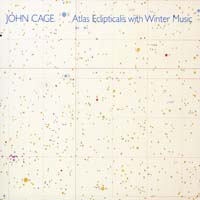 1993Winter Music
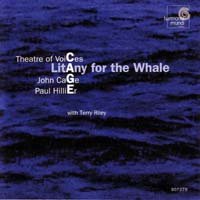 1992Litany for the Whale
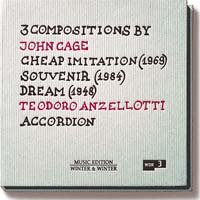 1977Cheap Imitation