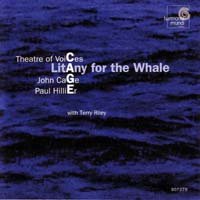
ALBUM NOTESExploring the sound of John Cage-Litany for the Whale: Litany for the Whale
Album overview
John Cage's "Litany for the Whale," released in 1980, reflects the composer's ongoing exploration of chance and environmental themes. This avant-garde piece is a compelling blend of spoken word, music, and silence, showcasing Cage's innovative approach to sound and composition. It was produced under the label Mode Records, which has been instrumental in preserving and promoting contemporary classical music. The work features a diverse array of collaborators, including prominent performers from various disciplines. The composition is notable for its use of text derived from Moby Dick, with Cage employing various vocal techniques to convey the narrative's emotional depth. The album is a significant addition to Cage's oeuvre, emphasizing his belief in the interconnectedness of nature and art. It also highlights his unique ability to transform ordinary sounds into extraordinary experiences, a hallmark of his broader artistic vision. The album's release was met with critical acclaim, further solidifying Cage's legacy as a pioneer of experimental music and a vital figure in 20th-century art.
Review
"Litany for the Whale" stands as a testament to John Cage’s innovative spirit and commitment to challenging traditional music forms. The album unfolds like an auditory journey, where silence and sound coexist in a delicate balance. Cage's use of text and vocalization evokes a profound sense of reflection, inviting the listener to ponder the themes of nature and existence. The layered textures of the instrumentation create a rich tapestry of sound that is both unsettling and captivating. Cage's departure from conventional melodies allows for an immersive experience, pushing the boundaries of what music can be. The artistic vision behind "Litany for the Whale" transcends mere entertainment, serving as a poignant reminder of humanity's relationship with the natural world. The piece's cultural significance lies not only in its innovative structure but also in its environmental message, resonating with listeners who are increasingly aware of ecological concerns.
Highlights
- Innovative use of silence and sound creates a unique auditory experience.
- Deeply reflective themes that resonate with contemporary ecological concerns.
- Collaboration with diverse artists enhances the richness of the composition.
Weak points
- May not appeal to traditional music lovers due to its avant-garde nature.
- The pacing can feel disjointed at times, challenging listener engagement.
- Complex themes may require multiple listens to fully appreciate.
Overall evaluation
"Litany for the Whale" is a profound exploration of sound that challenges conventional music norms while delivering a powerful environmental message. Cage's masterful manipulation of silence and noise crafts an experience that is both thought-provoking and evocative.
Personal rating: 8/10
```

 1998Music For Percussion Quartet
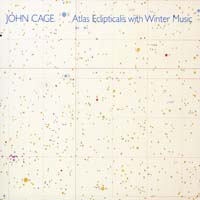 1993Winter Music
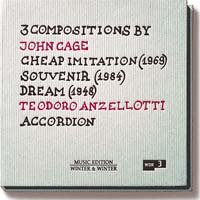 1977Cheap Imitation