ALBUM NOTES45? / 34?46.776? / 31?57.9864? / 27?10.554? / 26?1: what John Cage wants you to feel
45? / 34?46.776? / 31?57.9864? / 27?10.554? / 26?1- Album Overview
John Cage's album "45? / 34?46.776? / 31?57.9864? / 27?10.554? / 26?1" was released in 1993 by the prestigious label Mode Records. This collection of pieces showcases Cage's innovative approach to music, characterized by the exploration of chance and silence, which have become hallmarks of his compositional style. The album consists of five works, each named after geographic coordinates, reflecting Cage's fascination with nature and the randomness of existence. Collaborating with a range of talented musicians, Cage pushes the boundaries of traditional music, blending elements of avant-garde, experimental, and modern classical genres.
Cage's use of unconventional instruments and techniques is evident throughout the album. The compositions challenge listeners to engage with sound in a new way, often incorporating found objects and non-traditional sound sources. These pieces serve as a testament to Cage's belief that anything can be music, a philosophy he championed throughout his career. The album has garnered critical acclaim for its audacity and depth, further solidifying Cage's status as a seminal figure in 20th-century music.
The release of "45? / 34?46.776? / 31?57.9864? / 27?10.554? / 26?1" followed a period of significant artistic development for Cage, wherein he began to embrace the concept of indeterminacy more fully. This album stands as an important cultural artifact, encapsulating the essence of Cage's explorations into the nature of sound and silence, and inviting listeners to experience music in a more profound and contemplative way.
Review
Cage’s "45? / 34?46.776? / 31?57.9864? / 27?10.554? / 26?1" is a striking collection that exemplifies his unique artistic vision. The soundscapes created in these pieces often juxtapose stark silence with bursts of unexpected sound, inviting listeners to reflect on the complexities of auditory experiences. Each track unfolds like a meditative journey, encouraging a deep personal engagement with the material.
The album's structure is non-linear, challenging traditional expectations of melody and harmony. Cage's ability to weave textures and timbres into a cohesive yet fragmented whole is commendable. His penchant for using everyday objects as instruments adds an element of surprise, making each listen feel fresh and intriguing. By prioritizing the experiential aspect of music, Cage forces listeners to confront their own perceptions of what constitutes music and sound.
In essence, the album embodies Cage's philosophy that music is not merely about notes and rhythms but is an exploration of existence itself. This existential inquiry, coupled with the innovative use of space and silence, creates an immersive listening experience that resonates deeply with those willing to embrace its complexities.
Highlights
- Innovative use of unconventional instruments and sound sources.
- Deeply meditative and contemplative listening experience.
- Encourages listeners to redefine their understanding of music and sound.
Weak points
- May be challenging for listeners accustomed to traditional music forms.
- Some tracks may feel overly abstract or inaccessible to casual listeners.
- Requires patience and openness to fully appreciate the artistic intent.
Overall evaluation
In "45? / 34?46.776? / 31?57.9864? / 27?10.554? / 26?1," John Cage crafts an experience that transcends conventional music, inviting listeners into a world of sound and silence that challenges their perceptions. This album is a profound exploration of auditory existence, reflecting Cage's enduring legacy in contemporary music.
Personal rating: 8/10


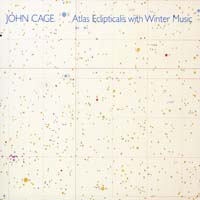 1993Winter Music
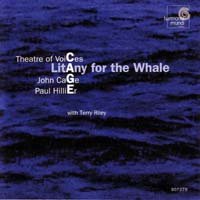 1992Litany for the Whale
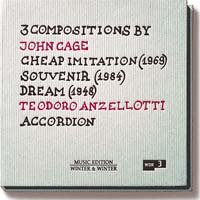 1977Cheap Imitation