
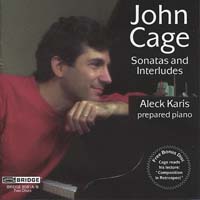
John Cage raises the bar with The Contemporary American ‘c’
The Contemporary American ‘c’- Album Overview
Released in 1988, "The Contemporary American ‘c’" stands as a compelling artifact of John Cage's innovative approach to music. This album showcases Cage's characteristic blend of chance, silence, and unconventional instrumentation, encapsulating his unique voice within the avant-garde movement. Produced under the influential label Ecstatic Peace!, the album reflects Cage's ongoing exploration of sound and silence, a theme that permeates much of his work. The recording features an ensemble of talented collaborators, including prominent figures from the contemporary classical scene, who contribute their own artistic perspectives to Cage's compositions.
The album consists of several tracks that push the boundaries of traditional music, incorporating elements of prepared piano, unconventional percussion, and spoken word. Cage's philosophy of music as an experiential rather than a purely auditory phenomenon is palpable throughout these pieces. Notably, Cage's use of indeterminacy allows the performers to interpret the score in unique ways, ensuring that no two performances are ever the same. This reflects his belief that music should be a living, evolving art form.
The significance of "The Contemporary American ‘c’" extends beyond its sound. It serves as a testament to Cage's influence on both the experimental music landscape and broader cultural contexts, challenging listeners to redefine their understanding of music. Through this work, Cage not only raises the bar for contemporary compositions but also invites an ongoing dialogue about the role of the artist and the audience in the creative process.
Review
In "The Contemporary American ‘c’," John Cage continues to defy musical conventions, presenting an album that is as intellectually stimulating as it is sonically adventurous. The soundscapes are often unpredictable, with Cage's signature use of chance operations creating a dynamic listening experience. The compositions are rich with texture, each note and silence carefully placed to provoke thought and reflection. Lyrics, when present, are abstract and often eschew traditional narrative, instead offering fragmented glimpses into the human experience.
Cage's artistic vision is clear: he seeks to engage the listener not just as an audience member but as a participant in the musical experience. The album challenges the listener to confront their preconceived notions about music, encouraging a more immersive and thoughtful engagement. This willingness to experiment and explore the unknown is what sets Cage apart as a pioneering figure in contemporary music.
Highlights
- Innovative use of prepared piano and unconventional instruments.
- Engaging blend of chance operations that create a unique listening experience.
- Thought-provoking compositions that challenge traditional musical narratives.
Weak points
- Some listeners may find the abstract nature challenging to grasp.
- Limited accessibility for those unfamiliar with avant-garde music.
- Occasional sections may feel overly experimental for mainstream audiences.
Overall evaluation
"The Contemporary American ‘c’" is a bold testament to John Cage's enduring legacy in the realm of experimental music. It showcases his fearless exploration of sound, silence, and the boundaries of musical form. While it may not appeal to everyone, its significance in the contemporary music landscape is undeniable.
Personal rating: 8/10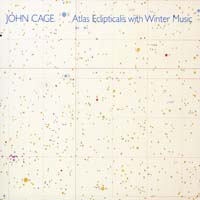 1993Winter Music
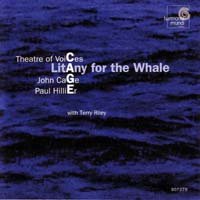 1992Litany for the Whale
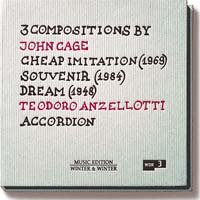 1977Cheap Imitation