ALBUM NOTESReview of John Cage-Concert for Piano and Orchestra / Atlas Eclipticalis – Concert for Piano and Orchestra / Atlas Ecliptical
Album overview
The album "Concert for Piano and Orchestra / Atlas Ecliptical" by John Cage is a significant work in the realm of avant-garde music. Released in 1970 as part of Cage's exploration into chance operations and indeterminate music, this album features two major compositions: "Concert for Piano and Orchestra" and "Atlas Eclipticalis." The first piece was written for an ensemble and integrates Cage's innovative use of prepared piano techniques, while the latter involves a visual score that allows performers a degree of freedom in interpretation.
This album was released under the prestigious label, Wergo, known for its dedication to contemporary classical music. The recordings feature prominent musicians and orchestras, including the acclaimed pianist David Tudor, who was a long-time collaborator of Cage. The production of this album reflects Cage's complex philosophies surrounding music and sound, pushing the boundaries of traditional orchestration and performance practices.
Cage's work in this album is crucial in the context of the 20th-century avant-garde movement, influencing countless musicians and composers. Its significance lies not only in its experimental approach but also in its challenge to conventional notions of musical structure and harmony. The album encapsulates Cage’s belief in the importance of chance and spontaneity in music, making it a landmark release that continues to resonate with audiences and musicians alike.
Review
The "Concert for Piano and Orchestra / Atlas Ecliptical" stands as a testament to John Cage’s revolutionary artistic vision. The soundscapes are intricate and layered, reflecting Cage's penchant for unconventional forms and textures. The piano, often prepared with objects to create unique timbres, serves as a focal point amidst the swirling orchestral backdrop.
Listeners may find the experience both challenging and rewarding, the unpredictable nature of the compositions invites personal interpretation, captivating those willing to embrace the unknown. Cage’s ability to blend silence and sound creates an immersive auditory experience that defies traditional listening habits. The orchestral arrangements are meticulously crafted, yet they allow for moments of chaos, mirroring the unpredictability of life itself.
Overall, the album encapsulates Cage’s philosophy of music as an experience rather than a product, which may not appeal to all listeners but offers profound insights for those open to avant-garde exploration.
Highlights
- Innovative use of prepared piano techniques.
- Rich textures and complex orchestration that challenge traditional norms.
- Freedom of interpretation encourages listener engagement.
Weak points
- May be inaccessible to listeners unfamiliar with avant-garde music.
- Lengthy compositions could test the patience of some audiences.
- The abstract nature may detract from emotional connectivity for some listeners.
Overall evaluation
"Concert for Piano and Orchestra / Atlas Ecliptical" is a bold exploration of sound and silence, epitomizing John Cage's avant-garde ethos. While it may not resonate with all listeners, its significance in contemporary music cannot be understated.
Personal rating: 8/10
```

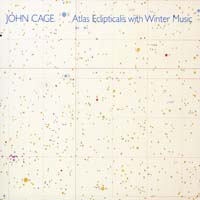 1993Winter Music
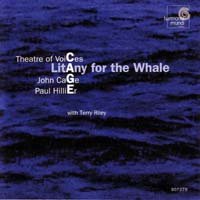 1992Litany for the Whale
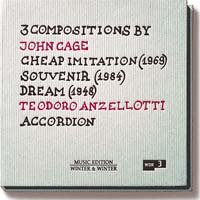 1977Cheap Imitation