ALBUM NOTESListening to Concert For Piano And Orchestra / Atlas Ecliptical by John Cage-Concert For Piano And Orchestra / Atlas Eclipticalis
Album overview
John Cage's "Concert for Piano and Orchestra / Atlas Ecliptical" is a pivotal work in the 20th-century classical music canon, first premiered in 1957. Released under the label of the prestigious Cantaloupe Music, this album features groundbreaking compositions that challenge traditional structures and embrace Cage’s experimental ethos. The "Concert for Piano and Orchestra" showcases Cage's innovative approach to orchestration and his unique use of silence, influenced by Eastern philosophies and avant-garde movements. The piece is notable for its complex interplay between the piano and orchestra, creating a tapestry of sound that defies conventional expectations.
"Atlas Eclipticalis," composed in 1961, complements the piano concerto with its own set of radical ideas, where Cage employs graphical notation, inviting performers to interpret the score through improvisation. Collaborators on this project include the esteemed pianist David Tudor, who is recognized for his interpretive brilliance and alignment with Cage's artistic vision. The album not only reflects Cage's significant contributions to modern music but also embodies a broader cultural shift towards experimentation and the embrace of chance in art. The works are celebrated for their philosophical depth, making them essential listening for those interested in the evolution of contemporary music.
Review
Cage's "Concert for Piano and Orchestra" is a sonic landscape that challenges listeners to rethink the boundaries of musical composition. The piano, at times a percussive force and at others a delicate voice, interacts dynamically with the orchestra, creating an atmosphere both chaotic and serene. The piece's structure is fluid, reflecting Cage's philosophy of uncertainty and improvisation, which may feel disorienting to traditional classical audiences but is a breath of fresh air for those seeking innovation.
"Atlas Eclipticalis" further pushes the envelope with its non-traditional notation that allows for individual interpretation, resulting in a performance that may differ significantly from one rendition to another. This unpredictability is both thrilling and daunting, as it engages the audience in a dialogue about the nature of music itself. While some may find the lack of conventional melody challenging, those willing to immerse themselves in Cage's world will discover a profound experience that resonates long after the final note fades.
Highlights
- Innovative orchestration that redefines the role of the piano in concert music.
- Groundbreaking use of silence and chance, encouraging fresh interpretations.
- Engaging and thought-provoking compositions that reflect Cage's philosophical musings.
Weak points
- May be challenging for listeners accustomed to traditional classical forms.
- Complexity of the compositions may alienate casual listeners.
- Improvisational elements can lead to inconsistent performances across different interpretations.
Overall evaluation
Cage's "Concert for Piano and Orchestra / Atlas Ecliptical" stands as a testament to the transformative power of music and the avant-garde spirit of the 20th century. It invites both introspection and a reevaluation of what music can be.
Personal rating: 8/10
```

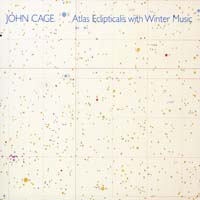 1993Winter Music
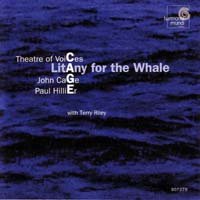 1992Litany for the Whale
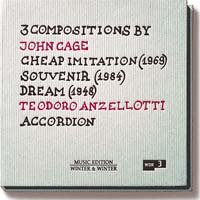 1977Cheap Imitation