ALBUM NOTESFrom intro to finale: what Berio: Circles / Bussotti: Frammento / Cage: Aria delivers
Berio: Circles / Bussotti: Frammento / Cage: Aria - Album Overview
The album "Berio: Circles / Bussotti: Frammento / Cage: Aria" was released in 1986 under the prestigious Deutsche Grammophon label. This compilation presents a fascinating exploration of avant-garde vocal compositions by three distinctive composers: Luciano Berio, Sylvano Bussotti, and John Cage. Each piece showcases innovative techniques and a profound engagement with the human voice, reflecting the cultural shifts of the 20th century.
Luciano Berio's "Circles" is a prime example of his ability to blend text and sound through the use of extended vocal techniques. The work, originally composed in 1960, features a range of performers and highlights the expressive capabilities of the voice. Sylvano Bussotti's "Frammento," composed in 1959, further pushes the boundaries of vocal performance, merging theatrical elements with complex musical structures. John Cage’s "Aria," created in 1958, is a striking piece that exemplifies Cage’s unique approach to chance music and vocal expression, where silence and sound intertwine in unexpected ways.
The album features performances by renowned soprano Cathy Berberian, who worked closely with Berio and Cage, lending her voice to these groundbreaking compositions. The collaborative nature of this recording underlines the interconnectedness of these avant-garde works and their significance in the evolution of contemporary classical music. This album not only serves as an important document of the period but also offers listeners a deep dive into the complexities of modern vocal music.
Review
"Berio: Circles / Bussotti: Frammento / Cage: Aria" is a stunning showcase of avant-garde vocal techniques that challenges traditional notions of music and performance. The album opens with Berio's "Circles," where the interplay of voice and intricate instrumental textures creates an ethereal atmosphere. Berberian's powerful yet delicate delivery brings the text to life, captivating the listener's attention from the very first note.
Bussotti's "Frammento" introduces a theatrical dimension that invites the audience to experience music as a multidimensional art form. The use of unconventional sounds and gestures allows for a deep exploration of the emotional landscape of the piece. Cage's "Aria," with its spontaneous vocalizations and strategic use of silence, exemplifies his philosophy of embracing unpredictability in music. The juxtaposition of these three pieces creates a rich tapestry of sound that resonates with the listener long after the final note fades.
The artistic vision behind this album is not only to showcase the composers' innovative approaches but also to challenge the audience's perception of what vocal music can be. The album is a testament to the transformative power of contemporary classical music, urging listeners to engage with the unconventional and often dissonant world of avant-garde soundscapes.
Highlights
- Groundbreaking vocal techniques that redefine traditional singing.
- Cathy Berberian's exceptional performance that brings the compositions to life.
- Rich interplay between text and sound, creating an immersive listening experience.
Weak points
- The complexity of the pieces may be challenging for casual listeners.
- Some may find the avant-garde style less accessible compared to traditional classical music.
- Limited appeal to listeners unfamiliar with contemporary vocal techniques.
Overall evaluation
"Berio: Circles / Bussotti: Frammento / Cage: Aria" stands as a significant contribution to the world of contemporary classical music, showcasing the innovative spirit of its composers. While it may not cater to every musical taste, it offers a profound exploration of the possibilities of the human voice and avant-garde music.
Personal rating: 8/10

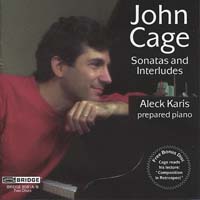
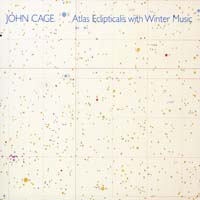 1993Winter Music
 1992Litany for the Whale
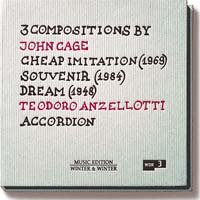 1977Cheap Imitation