

Inside the atmosphere of John Cage's Works For Cello / Lecture On Nothing
Works For Cello / Lecture On Nothing- Album Overview
Released in 1962, "Works For Cello / Lecture On Nothing" is a seminal album by American avant-garde composer John Cage, showcasing his innovative approach to music and sound. This album features two distinct pieces: "Sonatas and Interludes for Prepared Piano" and "Lecture on Nothing." The album was released under the prestigious label, Mode Records, which has been instrumental in preserving and promoting contemporary classical music. The recording features cellist David Tudor, a prominent collaborator with Cage, who is known for his virtuosic ability to navigate the intricate and often unconventional structures of Cage's compositions. "Works For Cello" consists of a series of pieces that challenge the traditional notions of melody and harmony. Cage's use of the prepared piano, where objects are placed on the strings to alter the sound, creates an otherworldly auditory experience. "Lecture on Nothing," on the other hand, is a spoken word piece that blurs the lines between music and literature, inviting listeners into Cage's philosophical musings on the nature of sound and silence. This album is significant not only for its experimental soundscapes but also for its cultural impact, as it reflects the broader avant-garde movement of the 20th century. Cage's works have inspired countless musicians and composers, encouraging a reevaluation of what music can be. The release of "Works For Cello / Lecture On Nothing" marked a pivotal moment in the acceptance of avant-garde music within the mainstream, demonstrating that silence and unconventional sounds are as vital to musical expression as traditional melodies.
Review
The sound of "Works For Cello / Lecture On Nothing" is a captivating exploration of the boundaries of music. Cage's compositions for cello are marked by their sparse yet profound textures, often evoking a sense of introspection and contemplation. The interplay between silence and sound is masterfully crafted, creating an atmosphere that draws the listener into a meditative state. Cage's "Lecture on Nothing" serves as a philosophical backdrop to the album, challenging listeners to consider the nature of sound and its relationship to silence. The spoken word aspect contrasts with the instrumental pieces, yet they complement each other, presenting a cohesive artistic vision that transcends traditional musical forms. Overall, the album embodies Cage's belief that music is not just about notes and rhythms, but about the very act of listening itself. The artistic vision is both radical and illuminating, inviting audiences to redefine their understanding of music as an experience rather than a product.
Highlights
- The innovative use of prepared cello techniques that create unique sound textures.
- The philosophical depth of "Lecture on Nothing," which challenges conventional perceptions of music.
- The collaborative synergy between John Cage and David Tudor, showcasing their mutual commitment to experimental artistry.
Weak points
- Some listeners may find the abstract nature of the compositions challenging to engage with.
- The lack of traditional musical structure might alienate those accustomed to conventional classical music.
- The album's experimental approach may not appeal to mainstream audiences seeking melody and rhythm.
Overall evaluation
"Works For Cello / Lecture On Nothing" is a landmark album that invites listeners to explore the intersections of sound, silence, and philosophical thought. Its innovative approach and profound artistic vision make it a vital piece of 20th-century music history. Personal rating: 9/10
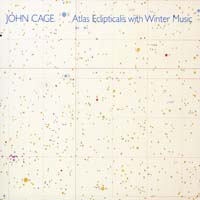 1993Winter Music
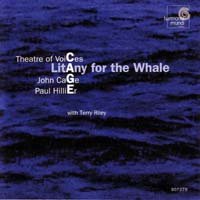 1992Litany for the Whale
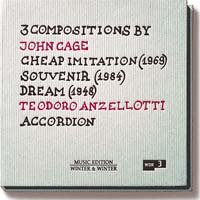 1977Cheap Imitation