
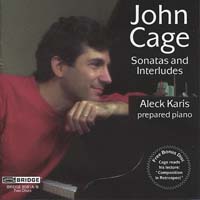
Is The Perilous Night / Four Walls John Cage's best work yet?
The Perilous Night / Four Walls- Album Overview
"The Perilous Night / Four Walls" is a compelling collection by avant-garde composer John Cage, released in 1993 under the prestigious label Mode Records. This album is notable for its unique blend of spoken word, prepared piano, and traditional instrumentation, showcasing Cage's innovative approach to music composition. The tracks on the album include "The Perilous Night," a series of pieces originally composed in 1944, and "Four Walls," which was created in 1944-45 as a score for a dance by Merce Cunningham.
These works are significant not only for their artistic merit but also for their cultural context. Cage's exploration of silence and chance operations challenges conventional notions of music, making this album an important artifact in the realm of contemporary classical music. Collaborators on the album include notable performers who specialize in Cage's complex works, further ensuring an authentic interpretation of his vision.
The album gained recognition for its accessibility to both seasoned Cage enthusiasts and newcomers alike, providing a solid entry point into his unique sonic world. The lead single, "The Perilous Night," was particularly praised for its intricate layering of sounds, which reflects Cage's philosophy of embracing randomness and spontaneity in music. Overall, "The Perilous Night / Four Walls" stands as a testament to Cage's enduring influence on the landscape of modern music.
Review
As a listener delves into "The Perilous Night / Four Walls," they are greeted with Cage's signature experimentation that defies traditional structure and harmony. The soundscape is a tapestry woven from silence and noise, where the listener is invited to engage actively with the compositions. The use of prepared piano in "The Perilous Night" creates a rich, textured auditory experience that feels both chaotic and serene. Cage's artistic vision shines through as he challenges the listener's perception of what constitutes music.
The lyrical elements, often abstract, resonate with philosophical inquiries about existence and perception. Cage's ability to infuse profound ideas into his music elevates the experience beyond mere entertainment, prompting contemplation on art's role in society. The dynamic interplay between the instruments and the silences in "Four Walls" showcases Cage's meticulous attention to detail, making each moment feel intentional and impactful. Overall, the album is a profound exploration of sound, silence, and the boundaries of musical expression.
Highlights
- The innovative use of prepared piano creates a distinctive sound.
- Cage's philosophical themes encourage deep reflection on art and existence.
- The album serves as an accessible introduction to Cage's complex works.
Weak points
- Some listeners may find the lack of traditional structure challenging.
- The abstract nature of the compositions may not appeal to all audiences.
- Limited mainstream recognition could hinder wider appreciation.
Overall evaluation
"The Perilous Night / Four Walls" is a remarkable exploration of sound and silence, showcasing John Cage's innovative approach to music. While it may not resonate with every listener, its artistic significance and unique soundscape make it a noteworthy contribution to the genre. This album invites listeners into Cage's intricate world of musical philosophy.
Personal rating: 8/10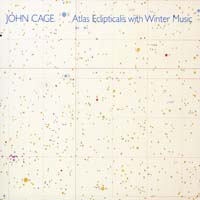 1993Winter Music
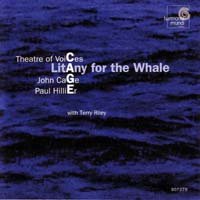 1992Litany for the Whale
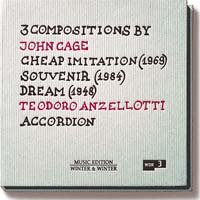 1977Cheap Imitation