

John Cage – Sonatas And Interludes / Music For Marcel Duchamp: track-by-track perspective
Sonatas And Interludes / Music For Marcel Duchamp - Album Overview
Released in 1949, "Sonatas and Interludes" is one of John Cage's most significant works, showcasing the avant-garde composer’s innovative approach to prepared piano. This album, recorded on the Columbia Masterworks label, features Cage performing on a piano altered with various objects to modify its sound, creating a unique auditory experience. The work is divided into sixteen pieces, blending sonatas and interludes that challenge conventional notions of melody and rhythm.
In addition to "Sonatas and Interludes," the album includes "Music for Marcel Duchamp," a piece paying homage to the influential artist and a pioneer of conceptual art. Cage’s relationship with Duchamp, who famously declared that "art is what you can get away with," resonates throughout this composition. The recording sessions took place in the late 1940s, with Cage experimenting with different preparations, resulting in an array of percussive and resonant sounds.
“Sonatas and Interludes” is seen as a landmark in 20th-century music, introducing listeners to new forms of expression and the idea of sound as a material to be manipulated. This work not only reflects Cage’s artistic vision but also his philosophical explorations into silence and randomness. The album remains a cornerstone in contemporary classical music, influencing generations of musicians and composers. Its historical significance lies in its challenge to traditional musical forms and the embrace of chance as a compositional tool.
Review
The sound of "Sonatas and Interludes" is both ethereal and grounding, featuring a delicate interplay between prepared piano techniques and Cage's avant-garde sensibilities. The compositions are marked by stark contrasts, with some pieces evoking tranquility while others pulse with an energetic atonality. Cage’s artistic vision is clearly articulated through each track, as he navigates the space between silence and sound, creating a tapestry that encourages deep listening and reflection.
The improvisational elements in "Music for Marcel Duchamp" further emphasize Cage's belief in the unpredictability of music. Here, the boundary between music and art blurs, inviting listeners to engage with the work on multiple levels. The pieces often feel spontaneous yet purposeful, embodying Cage's philosophy that music can transcend traditional structures and expectations. Overall, the album is a compelling exploration of sound, silence, and the creative process itself.
Highlights
- Innovative use of prepared piano, creating a unique sound palette.
- Deep philosophical and artistic connections to Marcel Duchamp.
- A landmark work that challenges conventional musical forms.
Weak points
- May not appeal to traditional classical music listeners.
- Some tracks may feel disjointed or challenging to follow.
- Length of the album could be daunting for casual listeners.
Overall evaluation
"Sonatas and Interludes / Music For Marcel Duchamp" is a pioneering album that encapsulates John Cage's groundbreaking approach to music. It remains a vital listening experience for those interested in the evolution of contemporary classical music and the broader dialogues between art forms.
Personal rating: 9/10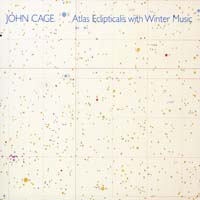 1993Winter Music
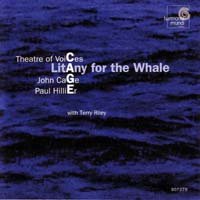 1992Litany for the Whale
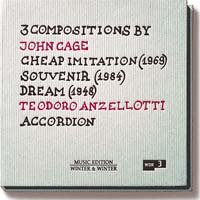 1977Cheap Imitation