

John Cage raises the bar with Europeras 3 & 4
Europeras 3 & 4- Album Overview
Released in 1980, "Europeras 3 & 4" is a groundbreaking work by American composer John Cage, known for his avant-garde contributions to music and art. This album, released by the prestigious label Mode Records, is a composite of operatic elements, showcasing Cage's innovative approach to composition and performance. "Europeras 3 & 4" was born out of Cage's exploration of chance operations, a method he famously championed throughout his career. The recording features a collage of musical excerpts from traditional operas, recontextualized and interspersed with Cage's unique soundscapes, blurring the lines between music and performance art. The album includes contributions from various artists, including vocalist and pianist David Tudor, whose interpretations of Cage’s work add depth and complexity to the recordings. This album is significant not only for its experimental nature but also for its reflection of the cultural shifts of the late 20th century, where boundaries in art and music were increasingly challenged. Cage's work in "Europeras 3 & 4" invites listeners to reconsider preconceived notions of structure, beauty, and the role of silence in music. The album has been influential in the realms of contemporary classical music and performance art, inspiring generations of musicians and composers to explore the avant-garde possibilities within their own practices.
Review
"Europeras 3 & 4" is an audacious piece that defies conventional expectations of opera and music. Cage's innovative use of chance procedures results in an unpredictable listening experience that can be both exhilarating and challenging. The sound of the album is a tapestry of disjointed melodies, fragments of operatic narratives, and unexpected silences, all woven together in a way that reflects Cage's philosophical musings on the nature of sound and experience. The vocal performances are haunting and otherworldly, showcasing the versatility of the human voice when freed from traditional constraints. While the album does not follow a traditional narrative arc, it captivates with its exploration of the absurd, the mundane, and the sublime. Cage's artistic vision is clear: he aims to expand the listener's perception of what music can be. However, this approach may alienate those who prefer a more structured listening experience. Nevertheless, "Europeras 3 & 4" stands as a testament to Cage's genius and his relentless quest to challenge artistic norms.
Highlights
- Innovative use of chance operations creates a unique listening experience.
- Intriguing vocal performances that defy traditional operatic norms.
- Provocative exploration of the boundaries between music and silence.
Weak points
- May be too abstract for listeners accustomed to conventional music structures.
- The disjointed nature can lead to moments of confusion.
- Not all tracks may resonate equally with every listener.
Overall evaluation
"Europeras 3 & 4" is a remarkable exploration of sound that challenges the listener’s expectations and invites them into Cage’s avant-garde world. It is an essential listen for anyone interested in the intersection of music and contemporary art.
Personal rating: 8/10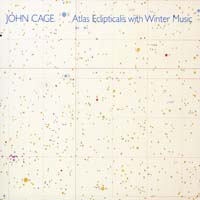 1993Winter Music
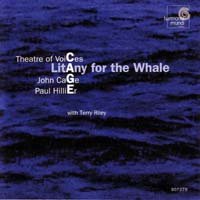 1992Litany for the Whale
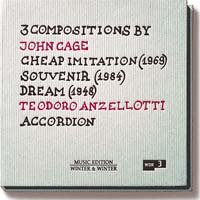 1977Cheap Imitation