
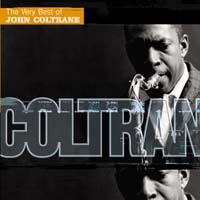
Why John Coltrane's Two Tenors matters
Two Tenors- Album Overview
Released in 1963, "Two Tenors" is an iconic album by the legendary jazz saxophonist John Coltrane, featuring fellow tenor saxophonist Archie Shepp. The album was released under the Impulse! label, which was known for its focus on innovative jazz recordings during the 1960s. The sessions for "Two Tenors" took place in the same year and were produced by the esteemed Bob Thiele, who played a vital role in shaping the sound of many notable jazz artists. Coltrane's work on this album is particularly significant as it captures a unique moment in jazz history, showcasing the interplay between two virtuoso saxophonists, each possessing a distinct voice and style.
The album features five tracks, including standout compositions like "The Inch Worm" and "The Song of the Underground Railroad," which offer a glimpse into the improvisational prowess of both musicians. The recording sessions included a stellar rhythm section comprising McCoy Tyner on piano, Jimmy Garrison on bass, and Elvin Jones on drums, further enriching the sound with their dynamic contributions. "Two Tenors" holds cultural significance as it reflects the evolution of jazz during a time when the genre was increasingly intertwined with social movements and experimentation. The collaboration between Coltrane and Shepp not only celebrates the tenorial tradition but also pushes the boundaries of jazz, making this album an essential listen for both jazz enthusiasts and newcomers alike.
Review
"Two Tenors" is a fascinating exploration of sound, rhythm, and improvisation. Coltrane's rich, warm tone intermingles seamlessly with Shepp's more piercing, aggressive style, creating a captivating dialogue throughout the album. The synergy between the two saxophonists is palpable, as they navigate through each track with a sense of urgency and creativity that is both thrilling and contemplative. The album's arrangements allow for expansive improvisation, with each solo feeling like an organic extension of the previous one. The rhythm section provides a solid foundation, allowing the saxophonists to experiment and express their artistic visions freely.
The compositions themselves are a blend of accessible melodies and complex harmonic structures, reflecting Coltrane's deep understanding of both traditional jazz and avant-garde influences. While the album doesn't feature lyrics, the emotive quality of the music speaks volumes, often conveying a sense of yearning and exploration. "Two Tenors" stands out not only for its musicality but also for its significance in the broader jazz landscape, as it represents a period of transition and innovation within the genre.
Highlights
- Dynamic interplay between Coltrane and Shepp, showcasing their contrasting styles.
- Strong rhythmic foundation provided by McCoy Tyner, Jimmy Garrison, and Elvin Jones.
- Innovative compositions that reflect the evolution of jazz during the 1960s.
Weak points
- Some listeners may find the avant-garde elements challenging or inaccessible.
- The album's shorter runtime leaves some tracks feeling slightly underdeveloped.
- Limited promotional singles may have hindered its broader recognition upon release.
Overall evaluation
"Two Tenors" remains a landmark album in jazz history, showcasing the brilliance of John Coltrane and Archie Shepp. Its innovative sound and cultural significance make it a must-listen for anyone interested in the evolution of jazz music.
Personal rating: 9/10 1962Coltrane Plays the Blues
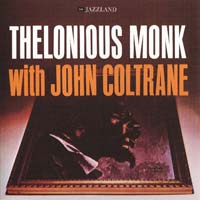 1961Thelonious Monk with John Coltrane
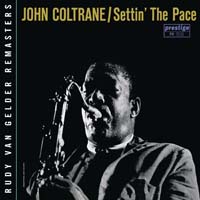 1961Settin' the Pace
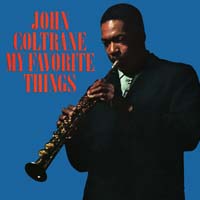 1961My Favorite Things
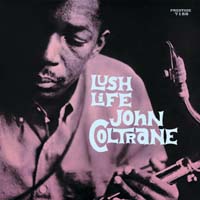 1961Lush Life
 1959The Cats
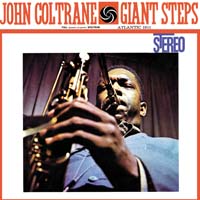 1959Giant Steps
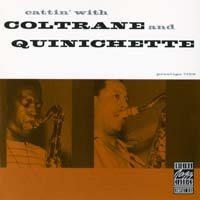 1959Cattin' with Coltrane and Quinichette
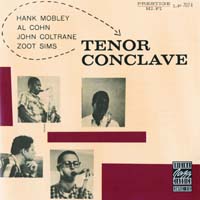 1957Tenor Conclave
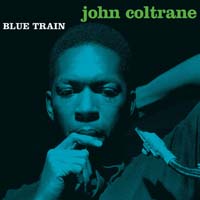 1957Blue Train