
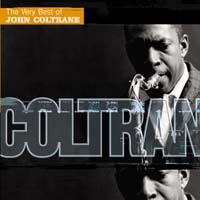
Unpacking John Coltrane's Ascension
Ascension- Album Overview
"Ascension," released in 1966, is a landmark album by the legendary jazz saxophonist John Coltrane. This ambitious work was produced during a transformative period in Coltrane's career, as he sought to push the boundaries of jazz and explore spiritual themes through music. The album was released under the Impulse! label, which was known for its avant-garde approach to jazz, and it features a sprawling ensemble cast of musicians, including prominent figures such as Pharoah Sanders, Donald Byrd, and Alice Coltrane, among others. The recording of "Ascension" took place over two sessions in June of 1965 at the Van Gelder Studio in Englewood Cliffs, New Jersey. It consists of two lengthy tracks, “Ascension (Movement 1)” and “Ascension (Movement 2),” both of which showcase a radical departure from traditional jazz forms. The music is characterized by its free jazz style, a genre that emphasizes improvisation and often eschews conventional melody and harmony. Upon its release, "Ascension" received mixed reviews from critics but has since been recognized as one of Coltrane's most significant works, embodying the spiritual and experimental essence of his late career. Its significance extends beyond music; it reflects the cultural upheaval of the 1960s, capturing the zeitgeist of a generation seeking deeper meaning and connection through art. This album has influenced countless musicians across various genres and remains a critical touchstone in the evolution of jazz.
Review
"Ascension" is a bold and introspective work that embodies Coltrane's artistic vision of transcending conventional music structures. The album's sound is both chaotic and meditative, a juxtaposition that invites listeners to engage deeply with its layers. Each musician contributes to a collective sound that is often overwhelming, yet profoundly spiritual. The lack of traditional song structures allows for a free-flowing exploration of sound, where each note feels like an urgent expression of emotion. Coltrane's saxophone weaves through the dense tapestry of instrumentation, at times soaring and at others, whispering, creating a dynamic conversation within the ensemble. The album's spiritual undertones resonate throughout, as Coltrane channels his quest for higher consciousness and understanding through his music. However, the avant-garde nature of "Ascension" makes it a challenging listen for some. Its length and complexity require patience and open-mindedness, pushing the boundaries of what jazz can be. Yet, for those willing to immerse themselves, the experience is rewarding and enlightening, showcasing Coltrane as a visionary artist unafraid to explore the unknown.
Highlights
- The bold experimental approach that redefined jazz boundaries.
- Coltrane's emotive saxophone playing, which conveys a profound spiritual quest.
- The collaborative energy of the ensemble, creating a rich, immersive sound.
Weak points
- The length of the tracks may deter casual listeners.
- Complexity may overwhelm those unfamiliar with avant-garde jazz.
- The lack of traditional melodies can make it feel inaccessible to some.
Overall evaluation
"Ascension" is not just an album; it is an experience that invites listeners to explore the depths of Coltrane's artistic vision and the broader implications of music as a means of spiritual expression. While it may challenge conventional listening habits, its significance in the jazz canon is undeniable.
Personal rating: 9/10 1962Coltrane Plays the Blues
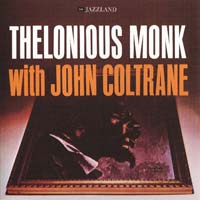 1961Thelonious Monk with John Coltrane
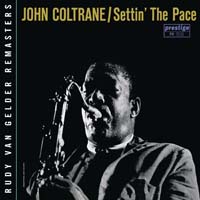 1961Settin' the Pace
 1961My Favorite Things
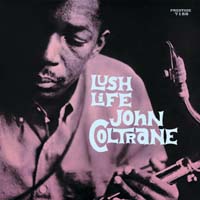 1961Lush Life
 1959The Cats
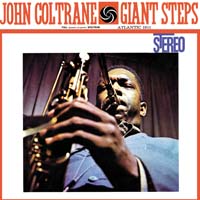 1959Giant Steps
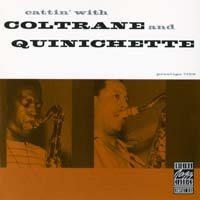 1959Cattin' with Coltrane and Quinichette
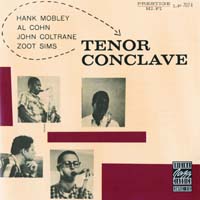 1957Tenor Conclave
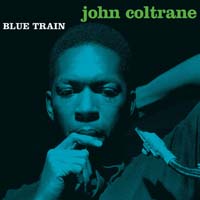 1957Blue Train