
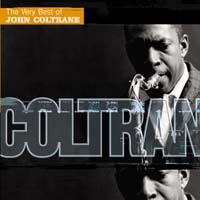
Album spotlight: John Coltrane – Jazz Way Out
Jazz Way Out- Album Overview
"Jazz Way Out" is a fascinating album by the legendary jazz saxophonist John Coltrane, released in 1963 under the Impulse! Records label. This album is often considered a part of Coltrane's exploratory phase, where he pushed the boundaries of traditional jazz into more avant-garde territories. The sessions for "Jazz Way Out" took place in 1962, during a period when Coltrane was heavily influenced by Eastern philosophies and spiritual themes, which permeated his music. The album features a unique blend of hard bop, modal jazz, and free jazz elements, showcasing Coltrane's pioneering approach to improvisation. The album is notable for its collaboration with other prominent jazz musicians, including pianist McCoy Tyner, bassist Jimmy Garrison, and drummer Elvin Jones, who were integral to Coltrane's classic quartet. Each track on the album serves as a testament to Coltrane's virtuosity and his ability to convey deep emotion through his saxophone. The compositions often intertwine complex rhythms and harmonies, creating a soundscape that is both challenging and rewarding for listeners. "Jazz Way Out" consists of several tracks that highlight Coltrane's experimentation with different musical forms. While the album did not produce any commercially successful singles, it has been influential in the jazz genre, resonating with both musicians and audiences alike. Its cultural significance is underscored by the way it reflects Coltrane's quest for spiritual and musical enlightenment, ultimately paving the way for future generations of jazz artists.
Review
The sound of "Jazz Way Out" is a rich tapestry of improvisation and innovation, with Coltrane's saxophone playing at the forefront. His unique phrasing and use of overtones create a mesmerizing experience for the listener. The interplay between Coltrane and his bandmates is seamless, showcasing a high level of communication and understanding that is essential in jazz. Artistically, Coltrane's vision for this album reflects his desire to break free from conventional structures. The compositions are often unpredictable, yet they maintain a cohesive flow that invites listeners to embark on a sonic journey. The emotional depth of the music is palpable, as Coltrane's saxophone tells stories that words cannot express. Each track offers a different facet of his creativity, from the meditative quality of the slow ballads to the frenetic energy of the more upbeat pieces. While the album may challenge those accustomed to traditional jazz forms, it rewards listeners with an immersive experience that speaks to the heart of Coltrane's genius. "Jazz Way Out" stands as a bold statement in Coltrane's discography, exemplifying his relentless pursuit of musical exploration.
Highlights
- Coltrane's masterful saxophone technique and emotive playing.
- Innovative compositions that push the boundaries of jazz.
- Strong collaboration with a tight-knit ensemble of talented musicians.
Weak points
- The complexity of the music may alienate casual listeners.
- Lack of commercial singles could limit mainstream appeal.
- Some tracks may feel repetitive or overly experimental for traditional jazz fans.
Overall evaluation
"Jazz Way Out" is a significant work that showcases John Coltrane's artistic growth during a transformative period in his career. It may not cater to all tastes, but for those willing to embrace its complexity, it offers a profound and rewarding listening experience.
Personal rating: 8/10 1962Coltrane Plays the Blues
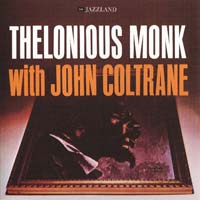 1961Thelonious Monk with John Coltrane
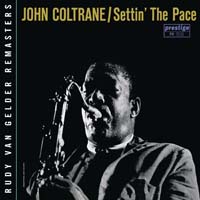 1961Settin' the Pace
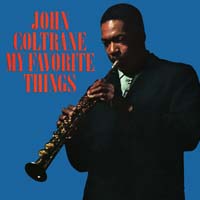 1961My Favorite Things
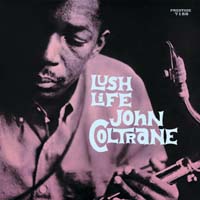 1961Lush Life
 1959The Cats
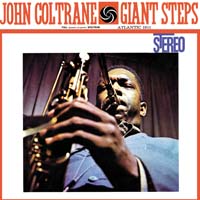 1959Giant Steps
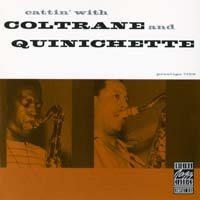 1959Cattin' with Coltrane and Quinichette
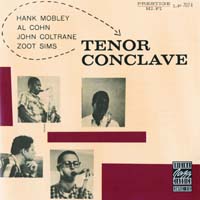 1957Tenor Conclave
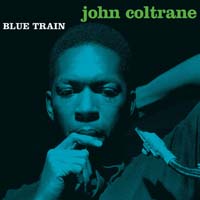 1957Blue Train