
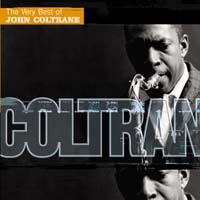
Bahia: what John Coltrane wants you to feel
Bahia- Album Overview
The album "Bahia" is an extraordinary work by the legendary jazz saxophonist John Coltrane, released in 1964 as part of the album "Olé Coltrane." This record stands out as a testament to Coltrane's innovative spirit and his ability to weave cultural influences into his music. "Bahia," which features a blend of avant-garde jazz and world music, is inspired by Brazilian rhythms and melodies, showcasing Coltrane's fascination with diverse musical traditions. The album was released under the Impulse! label, known for its commitment to artistic freedom and groundbreaking jazz recordings.
The track "Bahia" itself is a fusion of Coltrane's signature sound with the rich textures of Latin music, featuring a strong rhythmic foundation that invites listeners to explore the depths of improvisation. Coltrane collaborated with talented musicians on this project, including McCoy Tyner on piano, Jimmy Garrison on bass, and Elvin Jones on drums, all of whom contributed to the album's dynamic sound. The recording sessions took place at the Van Gelder Studio in Englewood Cliffs, New Jersey, a venue renowned for its high-quality jazz recordings.
The single "Bahia" became notable for its rhythmic complexity and melodic beauty, encapsulating Coltrane's vision of jazz as a universal language. The album not only reflects Coltrane's technical prowess but also his spiritual journey, as he sought to express profound emotions and experiences through music. "Bahia" remains a critical piece in the jazz canon, representing a bridge between traditional jazz and the influences of world music, and continues to resonate with audiences and musicians alike.
Review
In "Bahia," John Coltrane transcends conventional jazz boundaries, inviting listeners into a realm where rhythm and melody intertwine to create a captivating auditory experience. The track opens with a lively interplay between Coltrane's soaring saxophone lines and Tyner's intricate piano phrases, setting the stage for a journey that is both exhilarating and introspective. Coltrane's ability to infuse complex harmonies with a sense of spirituality is evident, as he navigates through various musical landscapes with seamless fluidity.
The improvisational prowess displayed throughout the track is nothing short of remarkable. Coltrane's saxophone work is characterized by its emotional intensity, capturing a spectrum of feelings that range from joy to contemplation. The rhythmic undercurrents provided by Garrison and Jones create a foundation that allows Coltrane's melodies to explore new heights. The fusion of Brazilian influences adds a unique flavor, making "Bahia" not just a musical composition but an experience that evokes a deep connection to culture and emotion.
Highlights
- Innovative fusion of jazz and Brazilian rhythms
- Impressive improvisational skills and emotional depth
- Strong collaborative chemistry among the musicians
Weak points
- Complexity may be overwhelming for casual listeners
- Some critics argue it strays too far from traditional jazz
- Limited commercial appeal compared to more mainstream releases
Overall evaluation
"Bahia" stands as a significant contribution to the jazz genre, reflecting John Coltrane's artistic vision and his quest for spiritual expression through music. Its innovative blend of styles makes it a compelling listen, though it may challenge those unfamiliar with avant-garde jazz. Overall, this album is a must-listen for any serious jazz enthusiast.
Personal rating: 9/10 1962Coltrane Plays the Blues
 1961Thelonious Monk with John Coltrane
 1961Settin' the Pace
 1961My Favorite Things
 1961Lush Life
 1959The Cats
 1959Giant Steps
 1959Cattin' with Coltrane and Quinichette
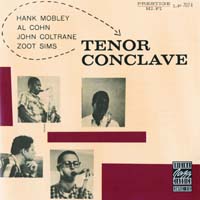 1957Tenor Conclave
 1957Blue Train