ALBUM NOTESInside Stardust by John Coltrane
Stardust- Album Overview
Born in the vibrant crucible of the 1960s jazz scene, "Stardust" is a compelling album by the legendary saxophonist John Coltrane, released in 1963. This album was recorded during a pivotal period in Coltrane's career, a time when he was exploring new musical territories and pushing the boundaries of jazz. "Stardust" is not a conventional studio album, but rather a collection of performances that showcases Coltrane's improvisational genius and his deep emotional connection to music.
The album was released under the Impulse! label, a label that became synonymous with forward-thinking jazz. The recording sessions took place at the famed Van Gelder Studio, where many groundbreaking jazz records were captured. Coltrane collaborated with a stellar ensemble of musicians for this project, including pianist McCoy Tyner, bassist Jimmy Garrison, and drummer Elvin Jones, who were integral to his classic quartet sound. The album features a mix of original compositions and jazz standards, showcasing Coltrane's ability to reinterpret and revitalize familiar melodies.
The title track, "Stardust," is a particularly poignant rendition of the Hoagy Carmichael classic, illustrating Coltrane's flair for blending technical prowess with deep emotional expression. The album's musical significance lies in its fusion of bebop and modal jazz, a hallmark of Coltrane's style, which would ultimately influence countless musicians across various genres. With its rich harmonic textures and intricate improvisations, "Stardust" remains a testament to Coltrane's artistry and a vital part of jazz history, capturing both the innovative spirit of the era and the timeless nature of his music.
Review
"Stardust" stands out in Coltrane's discography for its lush arrangements and heartfelt performances. The album's opener, a reimagined "Stardust," immediately establishes a mood of introspection and beauty. Coltrane's saxophone weaves through the melody with a sense of longing, showcasing his ability to infuse standard tunes with personal emotion. The interaction between Coltrane and his bandmates is palpable throughout the album; their synergy elevates each track, creating a rich tapestry of sound that feels both cohesive and exploratory.
In terms of sound, the album beautifully balances lyrical melodies with intricate solos, allowing Coltrane's virtuosity to shine while also grounding the listener in familiar harmonic territory. The production quality is pristine, thanks to Rudy Van Gelder's engineering, which captures the nuances of each instrument. While the album does not encompass the more avant-garde aspects of Coltrane's later works, it serves as a bridge between his earlier bebop influences and his later, more experimental phases.
Overall, "Stardust" is a reflective journey through the mind of one of jazz's greatest innovators. Coltrane's artistic vision is clear: to connect deeply with his listeners through emotive soundscapes and profound improvisation.
Highlights
- Emotionally resonant interpretations of classic standards.
- Exceptional synergy between Coltrane and his band members.
- High-quality production that captures the essence of live jazz performance.
Weak points
- May not appeal to listeners seeking more avant-garde or experimental jazz.
- The album's slower pace might not suit all jazz enthusiasts.
- Lacks original compositions compared to other Coltrane albums.
Overall evaluation
"Stardust" by John Coltrane is a masterclass in emotional expression and musicality, capturing both the essence of jazz standards and Coltrane's unique voice. Although it may not showcase his most experimental tendencies, it remains a significant work that resonates with listeners on many levels.
Personal rating: 8.5/10

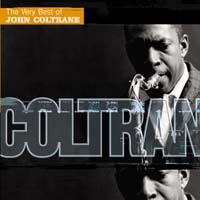
 1962Coltrane Plays the Blues
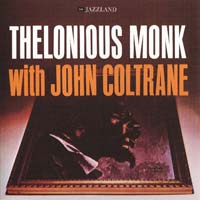 1961Thelonious Monk with John Coltrane
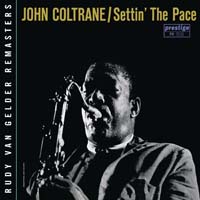 1961Settin' the Pace
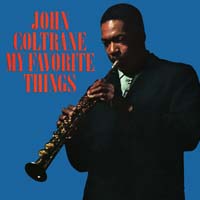 1961My Favorite Things
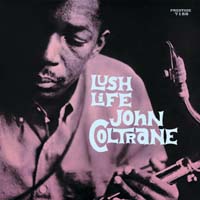 1961Lush Life
 1959The Cats
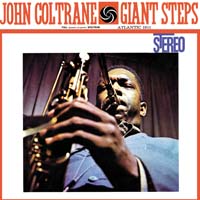 1959Giant Steps
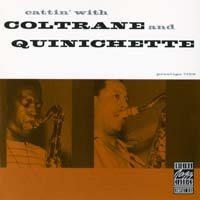 1959Cattin' with Coltrane and Quinichette
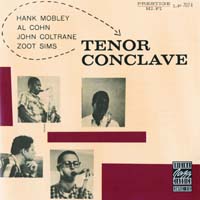 1957Tenor Conclave
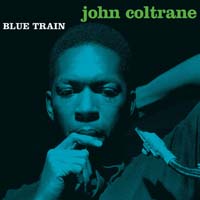 1957Blue Train