
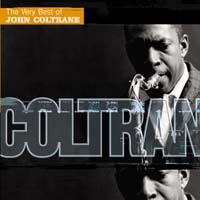
Album spotlight: John Coltrane – Transition
Transition- Album Overview
"Transition" is a pivotal album by jazz saxophonist John Coltrane, released in 1965. This album, which was recorded during a transformative period in Coltrane's life and career, showcases his constant evolution as an artist. Released under the Impulse! label, "Transition" features a blend of avant-garde jazz elements with spiritual motifs, reflecting Coltrane's deepening interest in spirituality and improvisation. The recordings were made at several sessions, primarily in 1965, with a focus on a free jazz approach that was gaining prominence at the time.
The album features notable collaborators, including pianist McCoy Tyner, bassist Jimmy Garrison, and drummer Elvin Jones, who were integral to Coltrane's classic quartet. Their synergy is palpable throughout the album, as they navigate complex rhythms and harmonic structures. "Transition" includes tracks such as "The Father and the Son and the Holy Ghost," which stands out for its spiritual depth and improvisational freedom, and "Olé," a composition that showcases Coltrane's unique ability to fuse various musical traditions.
This album is significant not only for its artistic merit but also for its cultural impact. It arrived at a time when jazz was expanding beyond traditional boundaries, pushing into realms that questioned conventions and explored new sonic possibilities. The release of "Transition" was a clear indication of Coltrane's commitment to his craft and his desire to explore the depths of musical expression, making it a cornerstone in the evolution of jazz music.
Review
In "Transition," John Coltrane takes listeners on a profound journey through sound, marked by a blend of harmony and dissonance that challenges the listener's expectations. The album's opener, "The Father and the Son and the Holy Ghost," encapsulates Coltrane's ability to weave intricate spiritual narratives into his music. The improvisational nature of the tracks allows for a fluid exploration of themes, where each musician contributes to a collective expression rather than just individual showcases.
Coltrane's saxophone playing is both fierce and meditative, representing the duality of his artistic vision. The interplay between Tyner's piano and Garrison's bass creates a rich tapestry of sound, while Jones's drumming provides a dynamic foundation that propels the music forward. The compositions are complex yet accessible, inviting repeated listens that unveil new layers and meanings.
Musically, "Transition" is a testament to Coltrane's fearless exploration of jazz as an evolving art form. His willingness to experiment with form and structure reflects the broader cultural movements of the 1960s, making the album not just a collection of songs but a significant statement in the jazz canon.
Highlights
- Innovative improvisation that pushes the boundaries of jazz.
- Deep spiritual and cultural themes woven throughout the compositions.
- Powerful collaboration with a talented ensemble of musicians.
Weak points
- Some listeners may find the avant-garde elements challenging.
- Tracks may feel lengthy for those accustomed to more conventional song structures.
- Lack of a cohesive narrative may deter casual listeners.
Overall evaluation
"Transition" stands as a landmark album in John Coltrane's discography, encapsulating his artistic journey during a period of significant transformation. It challenges the listener while enriching the jazz genre with its spiritual depth and innovative sound. Coltrane's exploration of free jazz and improvisation makes this album a must-listen for both jazz aficionados and newcomers alike.
Personal rating: 9/10 1962Coltrane Plays the Blues
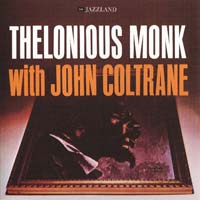 1961Thelonious Monk with John Coltrane
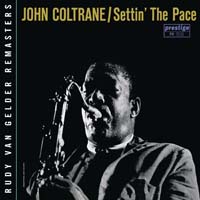 1961Settin' the Pace
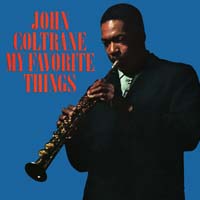 1961My Favorite Things
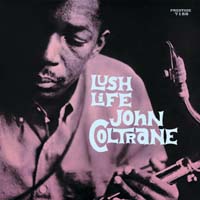 1961Lush Life
 1959The Cats
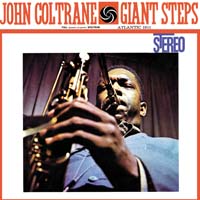 1959Giant Steps
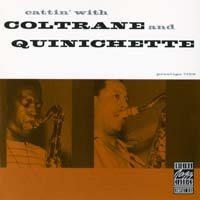 1959Cattin' with Coltrane and Quinichette
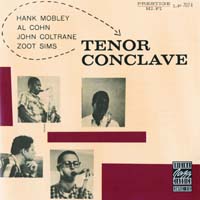 1957Tenor Conclave
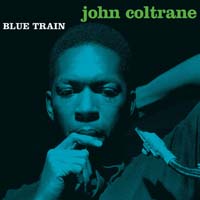 1957Blue Train