
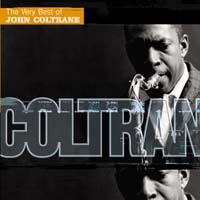
John Coltrane raises the bar with Both Directions At Once: The Lost Album
Both Directions At Once: The Lost Album- Album Overview
Released in 2018, "Both Directions At Once: The Lost Album" is a remarkable addition to the legendary discography of jazz saxophonist John Coltrane. This album, produced by the John Coltrane Estate and released under the Impulse! label, features recordings made in 1963 during a session that has remained largely unheard until now. The album serves as a time capsule, capturing Coltrane's innovative spirit and his quest for new musical territories at a pivotal moment in his career.
The recording session included notable collaborators such as McCoy Tyner on piano, Jimmy Garrison on bass, and Elvin Jones on drums, who were integral members of Coltrane's classic quartet. The album consists of seven tracks, including pieces such as "Untitled Original 11383" and "Untitled Original 11386," showcasing the band's ability to blend complex harmonies and rhythmic explorations. The sessions were initially intended to explore new directions, hence the title "Both Directions At Once," symbolizing Coltrane's dual pursuit of innovation and tradition.
Musically, the album stands out for its mixture of modal jazz and free improvisation, highlighting Coltrane's ever-evolving sound. The cultural significance of this release cannot be overstated; it not only provides insight into Coltrane's creative process but also reaffirms his place as a pioneering figure in jazz history. In a way, "Both Directions At Once" serves as a bridge between Coltrane's earlier works and his later explorations into avant-garde jazz, making it an essential listen for both longtime fans and newcomers alike.
Review
The sound of "Both Directions At Once" is a compelling blend of structured and spontaneous musical dialogue. Each track flows seamlessly into the next, showcasing the extraordinary chemistry between Coltrane and his bandmates. The improvisational nature of the sessions shines through, as the musicians venture into uncharted territories while remaining grounded in the rich tradition of jazz. Coltrane's saxophone work is nothing short of transcendent, balancing emotional depth with technical prowess. His profound understanding of melody and rhythm is evident, as he navigates complex harmonic structures with ease.
While the absence of polished studio production might initially be disconcerting for some listeners, it adds an authentic rawness that enhances the album's charm. The recordings feel intimate, as if inviting the audience into the creative process itself. The artistic vision behind the album is clear: Coltrane was not merely playing notes but was on a quest for spiritual and musical enlightenment. This pursuit resonates deeply, making the album not just a collection of tracks but a profound statement on the nature of jazz and artistic expression.
Highlights
- The exceptional chemistry between Coltrane and his bandmates, creating a dynamic listening experience.
- The raw and authentic quality of the recordings, providing an intimate glimpse into Coltrane's creative process.
- The innovative blend of modal jazz and free improvisation, showcasing Coltrane's musical evolution.
Weak points
- The lack of polished production may not appeal to all listeners, particularly those accustomed to more refined studio albums.
- Some tracks may feel unfinished or less developed compared to Coltrane's later works.
- The absence of structured compositions might be challenging for those who prefer traditional jazz formats.
Overall evaluation
"Both Directions At Once: The Lost Album" is a significant addition to John Coltrane's legacy, offering listeners an unparalleled glimpse into his innovative mindset during a transformative period of his career. Its raw energy and creative spirit make it an essential listen for jazz enthusiasts and newcomers alike.
Personal rating: 9/10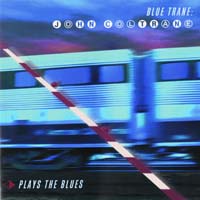 1962Coltrane Plays the Blues
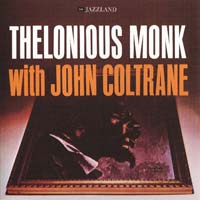 1961Thelonious Monk with John Coltrane
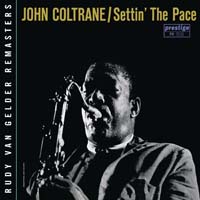 1961Settin' the Pace
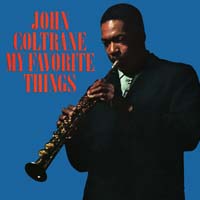 1961My Favorite Things
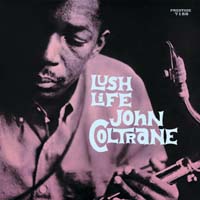 1961Lush Life
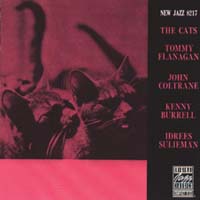 1959The Cats
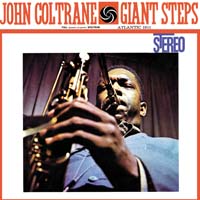 1959Giant Steps
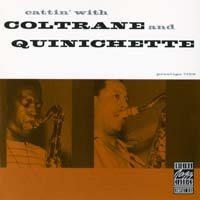 1959Cattin' with Coltrane and Quinichette
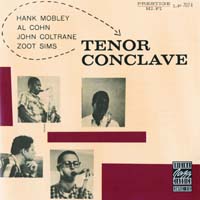 1957Tenor Conclave
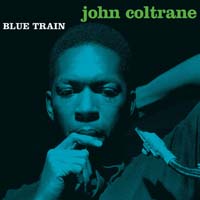 1957Blue Train