
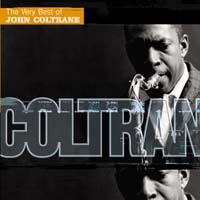
Album spotlight: John Coltrane – High Pressure
High Pressure- Album Overview
Released in 1978, "High Pressure" is a posthumous album by the legendary jazz saxophonist John Coltrane, showcasing his innovative style and profound influence on the genre. The album was recorded during Coltrane's prolific years in the 1960s but was released years after his untimely death in 1967. "High Pressure" was distributed by the Impulse! Records label, which was known for its commitment to avant-garde jazz and for hosting many of Coltrane's groundbreaking works. This particular album features a collection of tracks that highlight Coltrane's exceptional improvisational skills and his unique harmonic approach.
The album includes collaborations with notable musicians from the jazz world, featuring the likes of Elvin Jones on drums and McCoy Tyner on piano, both of whom were integral members of Coltrane's classic quartet. The recording sessions took place in a period marked by Coltrane's exploration of spiritual themes and complex musical structures. "High Pressure" includes tracks that display Coltrane's deep engagement with modal jazz and his fascination with Eastern musical influences. Although it did not produce any major singles, the album is significant for its representation of Coltrane’s late style, which moved towards a more avant-garde and experimental sound, paving the way for future exploration in jazz.
Musically, "High Pressure" is characterized by its intensity and emotional depth, reflecting Coltrane's quest for transcendence through music. The album stands as a testament to Coltrane's legacy, capturing the essence of a musician who was not only a performer but also a spiritual seeker, making it a worthwhile listen for both jazz enthusiasts and newcomers alike.
Review
"High Pressure" offers an immersive listening experience that transports the audience into the mind of one of jazz's most revered figures. The album's sound is defined by Coltrane's signature tenor saxophone, which weaves through complex melodies and intricate rhythms laid down by his highly skilled bandmates. The tracks are marked by a sense of urgency and exploration, with Coltrane pushing the boundaries of jazz as he delves into uncharted territories of improvisation.
The artistic vision behind "High Pressure" is evident in the way Coltrane intertwines spiritual fervor with musical experimentation. He masterfully balances structure with spontaneity, creating a sonic landscape that challenges the listener while simultaneously inviting them to engage deeply with the music. While some may find the avant-garde approach somewhat inaccessible, it is precisely this boldness that defines Coltrane's work and cements his legacy as a trailblazer in the jazz genre.
Highlights
- Exceptional improvisational skills showcased throughout the album.
- Collaboration with prominent jazz musicians enhances the overall sound.
- Musical depth and emotional intensity resonate with listeners.
Weak points
- Some tracks may be perceived as challenging for casual listeners.
- Lack of conventional song structures might alienate traditional jazz fans.
- Posthumous release may lack the cohesive vision Coltrane intended.
Overall evaluation
"High Pressure" stands as a powerful testament to John Coltrane's innovative spirit and enduring influence on jazz. While it may not be the most accessible entry point into his discography, it offers a profound listening experience for those willing to engage with its complexities.
Personal rating: 8/10 1962Coltrane Plays the Blues
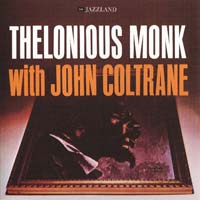 1961Thelonious Monk with John Coltrane
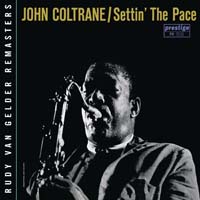 1961Settin' the Pace
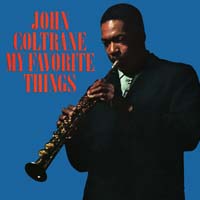 1961My Favorite Things
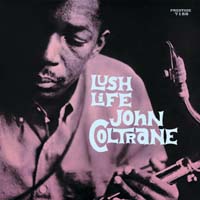 1961Lush Life
 1959The Cats
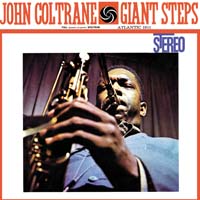 1959Giant Steps
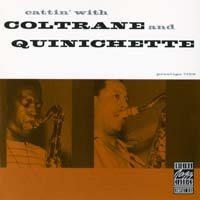 1959Cattin' with Coltrane and Quinichette
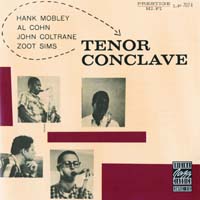 1957Tenor Conclave
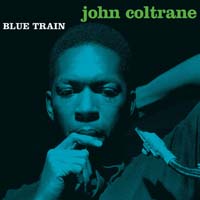 1957Blue Train