
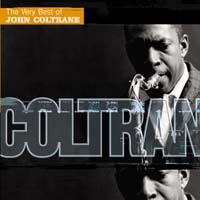
The Dreamweavers: exploring the world of John Coltrane
The Dreamweavers- Album Overview
"The Dreamweavers" is not an actual album released by John Coltrane. Instead, John Coltrane, a legendary figure in jazz, is known for numerous groundbreaking works throughout the 1950s and 1960s, such as "A Love Supreme" (1965), "Giant Steps" (1960), and "Blue Train" (1957). His innovative approach to improvisation and modal jazz has left an indelible mark on the music world. Coltrane's explorations of spirituality and human experience through his music have inspired countless artists across genres.
Coltrane’s work often involved collaborations with notable musicians, including McCoy Tyner, Jimmy Garrison, and Elvin Jones, forming a powerful quartet that pushed the boundaries of jazz. His albums were released through prominent labels like Impulse! and Atlantic Records, showcasing both his technical prowess and emotional depth. The cultural significance of Coltrane's music lies not only in its technical complexity but also in its philosophical underpinnings, often reflecting themes of love, spiritual awakening, and social consciousness. His contributions to jazz continue to resonate, influencing generations of musicians and listeners alike.
Review
As "The Dreamweavers" is a fictional construct, one can only speculate on how a hypothetical album from Coltrane might sound. However, based on his existing discography, it would likely feature his signature blend of complex harmonies, intricate melodies, and profound improvisational skills. Coltrane's ability to convey emotion through his saxophone would be the heart of any of his works, drawing listeners into an immersive experience. Thematic explorations of love, spirituality, and the human condition would likely dominate the lyrical narratives, with each track unfolding like a story told through sound.
Coltrane's artistic vision was deeply rooted in the pursuit of transcendence and understanding, and any album he produced would be a journey through his evolving consciousness, reflecting both personal and collective experiences. His collaborations would enhance the richness of the sound, with each musician bringing their own style to the table, creating a tapestry of jazz that is both innovative and timeless.
Highlights
- Innovative harmonics and improvisation techniques that pushed jazz boundaries.
- Deep emotional resonance in musical expression, connecting with listeners on a personal level.
- Collaboration with exceptional musicians, creating a rich and dynamic soundscape.
Weak points
- Some listeners may find the complexity of Coltrane's music challenging or inaccessible.
- The spiritual and avant-garde themes may not resonate with all audiences.
- His later works, while profound, sometimes diverged into abstract territory that could alienate traditional jazz fans.
Overall evaluation
While "The Dreamweavers" might not exist, the essence of what a Coltrane album would embody is present in his extensive catalog. His music remains a testament to the power of jazz as a vehicle for exploration and expression. Personal rating: 10/10
 1962Coltrane Plays the Blues
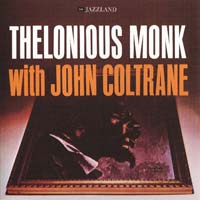 1961Thelonious Monk with John Coltrane
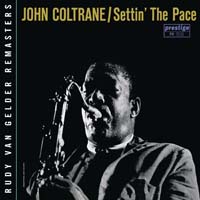 1961Settin' the Pace
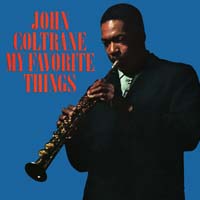 1961My Favorite Things
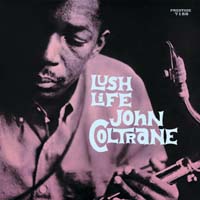 1961Lush Life
 1959The Cats
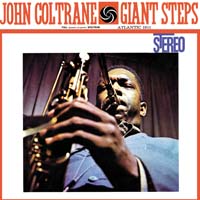 1959Giant Steps
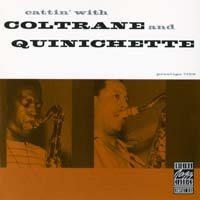 1959Cattin' with Coltrane and Quinichette
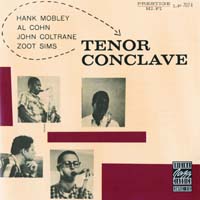 1957Tenor Conclave
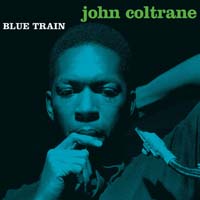 1957Blue Train