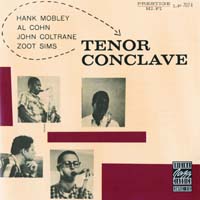
ALBUM NOTESA closer look at John Coltrane-Tenor Conclave's album Tenor Conclave
Album overview
Tenor Conclave, released in 1963, is a significant jazz album that showcases the collaborative prowess of some of the genre's most influential tenor saxophonists. This session features John Coltrane alongside fellow saxophonists McCoy Tyner, Wayne Shorter, and others, creating a tapestry of sound that reflects the innovative spirit of the early '60s jazz scene. Recorded for the Impulse! label, the album captures a vibrant moment in jazz history, marked by complex improvisations and intricate arrangements. The album includes tracks like "Giant Steps," which highlights Coltrane's virtuosic technique and harmonic innovation. The production emphasizes the raw energy of live performances, allowing each musician's voice to shine. The cultural significance of Tenor Conclave lies in its embodiment of the avant-garde movement in jazz at the time, pushing the boundaries of traditional forms and paving the way for future explorations in the genre. The collaboration among such talent also signifies a moment of unity and collective creativity in jazz, making this album a vital piece of Coltrane's discography and jazz history as a whole.
Review
Tenor Conclave is a mesmerizing exploration of sound that exemplifies the heights of improvisational jazz. The interplay between the tenor saxophonists is electric, creating a dialogue that is both intricate and profound. Coltrane's signature style is evident throughout, merging technical mastery with emotional depth. The album's tracks flow seamlessly, showcasing a range of moods from introspective ballads to exhilarating up-tempos. The musicians exhibit a remarkable synergy, with each player contributing unique elements that enrich the overall sound. However, while the album is a feast for jazz aficionados, its complexity may challenge casual listeners. The artistic vision displayed here is one of exploration and experimentation, indicative of the era's shift towards more avant-garde expressions in jazz.
Highlights
- Exceptional interplay between legendary tenor saxophonists.
- Innovative arrangements that push the boundaries of jazz.
- Coltrane's emotive playing, showcasing both depth and technical prowess.
Weak points
- Complexities may alienate casual listeners.
- Some tracks may feel overly ambitious or dense.
- Lack of vocal elements may limit appeal for non-jazz fans.
Overall evaluation
Tenor Conclave stands as a monumental achievement in jazz, highlighting the collaborative spirit of its time while showcasing the individual talents of its musicians. It is a rich tapestry of sound that rewards attentive listening and deep engagement.
Personal rating: 9/10
```

 2021Another Side Of John Coltrane
 1962Coltrane Plays the Blues
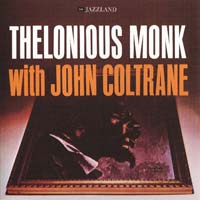 1961Thelonious Monk with John Coltrane
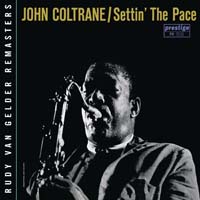 1961Settin' the Pace
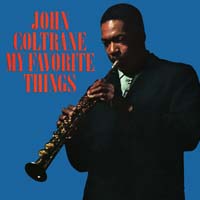 1961My Favorite Things
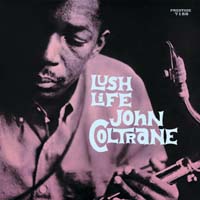 1961Lush Life
 1959The Cats
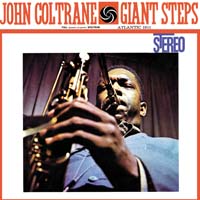 1959Giant Steps
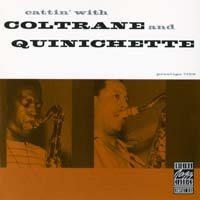 1959Cattin' with Coltrane and Quinichette
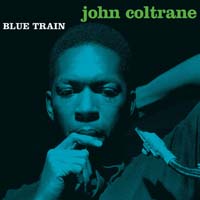 1957Blue Train