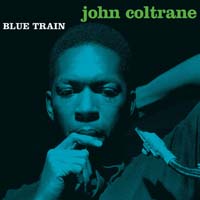
ALBUM NOTESA closer look at John Coltrane-Blue Train's album Blue Train
Album overview
John Coltrane's "Blue Train," released in 1957 on the Blue Note label, is a landmark in the jazz genre and remains a cornerstone of Coltrane's discography. The album was recorded in a single session on September 15, 1957, at the Van Gelder Studio in Hackensack, New Jersey, a renowned venue for many classic jazz recordings. Collaborating with Coltrane on this project were prominent musicians including trumpeter Lee Morgan, saxophonist McCoy Tyner, bassist Reggie Workman, and drummer Elvin Jones.
The album features five tracks, with the title track "Blue Train" being a standout example of Coltrane's innovative compositional style. The other tracks include "Moment's Notice," "Locomotion," "I Wish I Knew," and "Nestle." Each track showcases Coltrane's mastery of improvisation and his ability to blend complex harmonies with soulful melodies.
"Blue Train" is not just a collection of recordings, it represents a critical moment in the evolution of jazz, marking Coltrane's transition from sideman to bandleader. The album's release was significant in establishing Coltrane's unique voice in the jazz world, influencing countless musicians and genres beyond jazz itself. The album has since been recognized as one of the greatest jazz albums of all time, earning a place in the Grammy Hall of Fame and being included in several "best of" lists over the decades.
Review
"Blue Train" is a masterclass in jazz composition and improvisation, showcasing John Coltrane's profound ability to blend emotional depth with technical prowess. The title track, "Blue Train," opens with a powerful, bluesy motif that sets the tone for a journey through complex rhythms and sophisticated harmonies. Each musician involved brings their own flair, with Lee Morgan's trumpet lines weaving seamlessly through Coltrane's saxophone melodies.
The balance between structured arrangements and spontaneous improvisation is particularly noteworthy in "Moment's Notice," where Coltrane's rapid-fire phrases contrast beautifully with the more subdued backing from his band. Lyrically, while instrumental jazz lacks traditional lyrics, the emotive power of Coltrane's saxophone can convey more than words ever could, encapsulating the struggles and triumphs of the human experience.
Overall, the album is a testament to Coltrane's artistic vision, embodying the spirit of jazz as a form of personal expression and cultural commentary.
Highlights
- Exceptional musicianship from all collaborators, creating a rich sonic landscape.
- Innovative compositions that push jazz boundaries and invite deep listening.
- A timeless quality that resonates with both jazz aficionados and newcomers alike.
Weak points
- Some may find the complexity of the arrangements challenging for casual listening.
- The album's length (approximately 45 minutes) may leave listeners wanting more.
- Lack of vocals might not appeal to those who prefer lyrical content in music.
Overall evaluation
"Blue Train" stands as a monumental achievement in jazz history, representing both Coltrane's artistic maturation and the genre's evolution. Its blend of intricate musicianship and emotional depth makes it a must-listen for anyone interested in the roots and future of jazz.
Personal rating: 9/10
```

 2021Another Side Of John Coltrane
 1962Coltrane Plays the Blues
 1961Thelonious Monk with John Coltrane
 1961Settin' the Pace
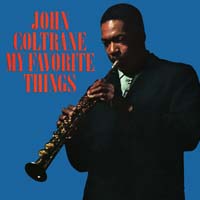 1961My Favorite Things
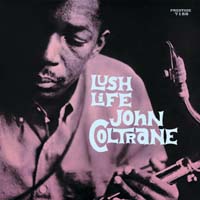 1961Lush Life
 1959The Cats
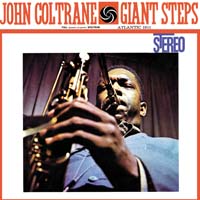 1959Giant Steps
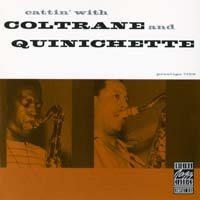 1959Cattin' with Coltrane and Quinichette
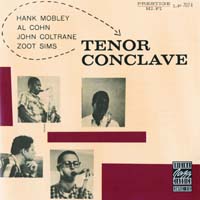 1957Tenor Conclave