ALBUM NOTESUnpacking John Coltrane-Africa Brass Sessions, Volume 2's Africa Brass Sessions, Volume 2
Album overview
John Coltrane's "Africa Brass Sessions, Volume 2" was released in 1966 as part of Impulse! Records' ongoing effort to document and present Coltrane's innovative work in jazz. This album is a continuation of the sessions that produced the original "Africa Brass" album, which was recorded in 1961. The sessions are characterized by their exploration of African musical elements, jazz improvisation, and orchestral arrangements, showcasing Coltrane's deep commitment to expanding the boundaries of jazz music.
The album features an impressive lineup of musicians including McCoy Tyner on piano, Jimmy Garrison on bass, and Elvin Jones on drums, all of whom were integral to Coltrane's classic quartet. Notable tracks from this volume include "Africa" and "The Damned," which reflect Coltrane's interest in African themes and rhythms. The orchestration, provided by a large ensemble, adds a rich layer to Coltrane's saxophone work, underscoring his intricate melodies and harmonies.
The production of "Volume 2" captures the raw energy and spiritual depth that Coltrane is known for, making it a crucial piece in understanding his artistic evolution. The album not only represents a high point in Coltrane's career but also serves as a significant cultural artifact, reflecting the broader movements within the jazz genre during the 1960s, including a growing interest in world music.
Review
"Africa Brass Sessions, Volume 2" encapsulates Coltrane's fearless approach to jazz, blending complex arrangements with spontaneous improvisation. The album's sound is a tapestry of intricate layers, where Coltrane's tenor saxophone soars above lush orchestral backdrops. The arrangements are bold and expansive, allowing space for the musicians to explore themes of identity and cultural heritage.
Coltrane's ability to weave intricate melodies with rhythmic complexity is evident throughout the project, as he pushes the boundaries of traditional jazz. The album manages to maintain an accessible quality despite its avant-garde tendencies, inviting listeners to engage deeply with both the music and the cultural narratives it evokes.
The emotional intensity of tracks like "Africa" is palpable, as Coltrane's passionate playing resonates with the spiritual themes he often explored. The collaborative interplay between the musicians enhances the listening experience, demonstrating a cohesive understanding of the artistic vision Coltrane sought to achieve.
Highlights
- Innovative orchestral arrangements that enrich Coltrane's saxophone work.
- Powerful and emotive performances from a stellar ensemble of jazz musicians.
- A profound exploration of African musical themes and rhythms.
Weak points
- Some listeners may find the orchestration overwhelming at times.
- The album's experimental nature may not appeal to all jazz fans.
- Lengthy tracks may require a dedicated listening approach.
Overall evaluation
"Africa Brass Sessions, Volume 2" solidifies John Coltrane's legacy as a pioneering figure in jazz, blending complex musical ideas with cultural significance. The album is a testament to his artistic vision and commitment to innovation.
Personal rating: 9/10
```

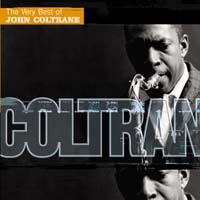
 1962Coltrane Plays the Blues
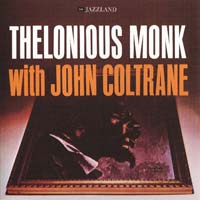 1961Thelonious Monk with John Coltrane
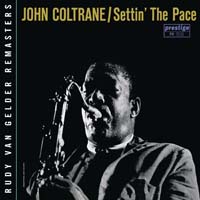 1961Settin' the Pace
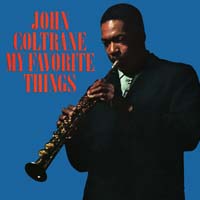 1961My Favorite Things
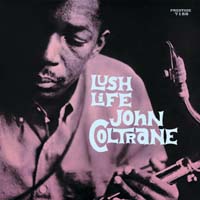 1961Lush Life
 1959The Cats
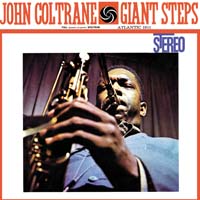 1959Giant Steps
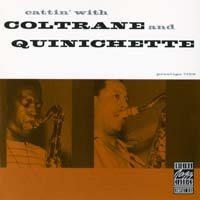 1959Cattin' with Coltrane and Quinichette
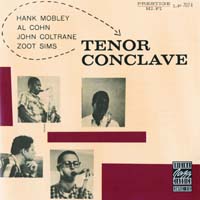 1957Tenor Conclave
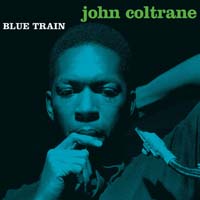 1957Blue Train