
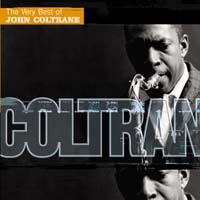
Listening to The Avant-garde by John Coltrane
The Avant-garde- Album Overview
Released in 1966, "The Avant-garde" is an album by the legendary jazz saxophonist John Coltrane. This work showcases Coltrane’s exploration of free jazz, marking a significant evolution in his musical journey. The album was recorded under the Impulse! label, a platform that became synonymous with Coltrane's most innovative works. The sessions for "The Avant-garde" featured collaborations with notable artists such as pianist McCoy Tyner, bassist Jimmy Garrison, and drummer Elvin Jones, forming a quartet that would become one of the most revered ensembles in jazz history.
The album consists of two lengthy tracks: "India" and "Mars," both of which exemplify Coltrane's avant-garde approach to improvisation and collective expression. "India" draws on Eastern influences, with a rhythmic complexity that reflects Coltrane's spiritual and musical explorations during this period. The recording sessions took place at Van Gelder Studio, known for its exceptional sound quality and association with many jazz greats.
"The Avant-garde" stands as a crucial entry in Coltrane's discography, illustrating his willingness to push boundaries and challenge traditional jazz forms. The album is significant not only for its innovative sound but also for its cultural impact, encapsulating the spirit of experimentation that defined the 1960s. Coltrane's approach to harmony and rhythm on this album paved the way for future generations of musicians, influencing genres beyond jazz, including rock and contemporary music.
Review
"The Avant-garde" is a daring showcase of sound that pulls listeners into Coltrane's deeply personal interpretation of jazz. The album eschews conventional melodies in favor of exploratory improvisation, which can be both exhilarating and challenging. The opening piece "India" immerses listeners in a tapestry of dense textures and complex rhythms, with Coltrane’s saxophone weaving through the harmonic landscape with fervor and intensity.
In "Mars," the ensemble pushes the boundaries further, creating an almost chaotic soundscape that reflects the tumultuous social and political climate of the era. Coltrane’s visionary leadership is evident as he guides his bandmates through a series of rapid shifts in dynamics and mood, creating a visceral experience. While there are moments of dissonance, they serve to enhance the overall artistic vision, making the album a compelling listen for those willing to embrace its avant-garde nature.
Highlights
- Innovative use of improvisation that challenges traditional jazz forms.
- Exceptional synergy among band members, showcasing their collective musicianship.
- Deeply emotive and spiritual undertones that resonate throughout both tracks.
Weak points
- May be too challenging or inaccessible for casual jazz listeners.
- Lack of conventional structure in tracks may deter some listeners.
- Limited commercial appeal compared to Coltrane's more melodic works.
Overall evaluation
"The Avant-garde" is a bold statement from John Coltrane, encapsulating the essence of free jazz and the spirit of experimentation that defined the 1960s. It is an album that requires patience and an open mind but rewards listeners with profound musical insights and emotional depth.
Personal rating: 8/10 1962Coltrane Plays the Blues
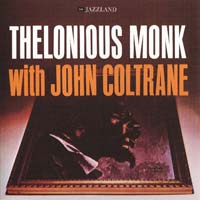 1961Thelonious Monk with John Coltrane
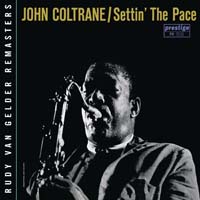 1961Settin' the Pace
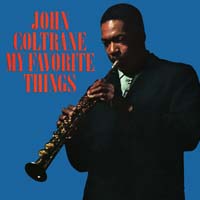 1961My Favorite Things
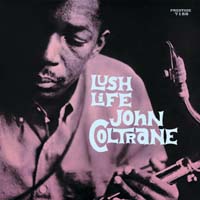 1961Lush Life
 1959The Cats
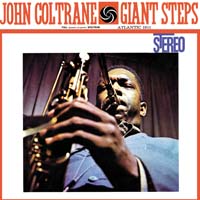 1959Giant Steps
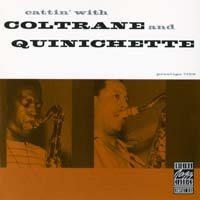 1959Cattin' with Coltrane and Quinichette
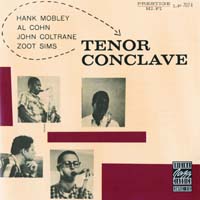 1957Tenor Conclave
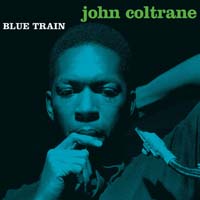 1957Blue Train