

The evolution of John Coltrane-Settin' the Pace in Settin' the Pace
Album overview
"Settin' the Pace" is a pivotal album by the legendary jazz saxophonist John Coltrane, released in 1958 under the Prestige Records label. This album marks an important phase in Coltrane's career, showcasing his exploration of modal jazz and improvisation. Recorded at Van Gelder Studio in Englewood Cliffs, New Jersey, the album features a stellar lineup, including pianist McCoy Tyner, bassist Jimmy Garrison, and drummer Elvin Jones, all of whom would later become integral to Coltrane's classic quartet. The album consists of six tracks, with standout compositions like "Giant Steps" and "Naima," which have become jazz standards. "Settin' the Pace" reflects the cultural shift of the late 1950s when jazz was evolving into more experimental forms, pushing the boundaries of harmony and rhythm. The album was part of a prolific period for Coltrane, who was developing his unique voice and style, which would later influence countless musicians across genres. The album's production was overseen by the renowned engineer Rudy Van Gelder, known for his crisp and clear sound that captures the nuances of each instrument, allowing listeners to fully appreciate the interplay between Coltrane and his bandmates. The release of "Settin' the Pace" solidified Coltrane's place in the pantheon of jazz greats, and it continues to resonate with both jazz aficionados and new listeners alike.
Review
"Settin' the Pace" stands as a testament to John Coltrane's innovative spirit and artistic vision. The album effortlessly blends technical mastery with emotional depth, showcasing Coltrane's ability to convey complex feelings through his saxophone. The interplay between the musicians is particularly noteworthy, each track feels like a conversation, where Coltrane’s urgent, piercing notes are complemented by Tyner’s rich chords and Garrison's solid bass lines. The album's sound is both bold and intimate, capturing the essence of a live performance while maintaining a studio's polished quality. The improvisational segments demonstrate Coltrane's fearless exploration of uncharted musical territories, inviting listeners into a world where spontaneity reigns. The album's cultural significance cannot be overstated, as it represents a turning point in jazz history, paving the way for future generations of musicians who sought to challenge conventions and redefine the genre.
Highlights
- Incredible synergy between Coltrane and his bandmates, showcasing masterful improvisation.
- Tracks like "Giant Steps" and "Naima" stand out as essential jazz compositions.
- Production quality by Rudy Van Gelder captures the dynamic sound of the ensemble perfectly.
Weak points
- Some listeners may find the experimental nature challenging if they are accustomed to more traditional jazz.
- The album is relatively short, leaving fans wanting more from this incredible lineup.
- Not every track reaches the same level of impact as the standout pieces, which may dilute the overall experience for some.
Overall evaluation
"Settin' the Pace" is a defining moment in John Coltrane's career and an essential listen for any jazz enthusiast. It captures the spirit of innovation and collaboration that characterized Coltrane's work during this era. While it may not appeal to everyone due to its experimental edges, its contribution to jazz history is undeniable.
Personal rating: 9/10 ```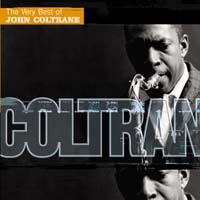 2021Another Side Of John Coltrane
 1962Coltrane Plays the Blues
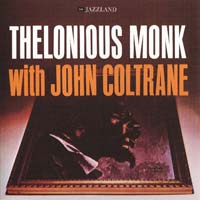 1961Thelonious Monk with John Coltrane
 1961My Favorite Things
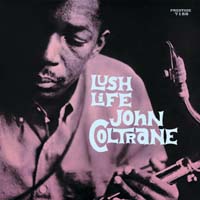 1961Lush Life
 1959The Cats
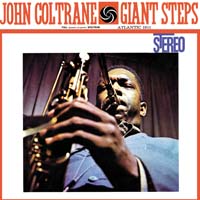 1959Giant Steps
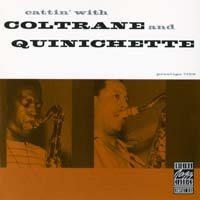 1959Cattin' with Coltrane and Quinichette
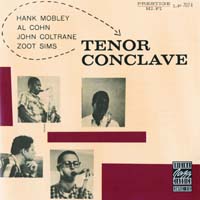 1957Tenor Conclave
 1957Blue Train