
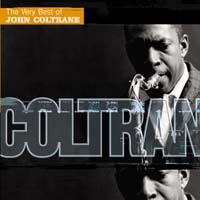
Inside the atmosphere of John Coltrane's Om
Om- Album Overview
Released in 1965, "Om" is one of John Coltrane’s most ambitious and spiritually charged works, encapsulating his deep exploration of sound and transcendence. The album, released under the Impulse! label, features Coltrane on tenor saxophone, alongside a lineup of remarkable musicians including Pharoah Sanders on flute and bass clarinet, Alice Coltrane on piano and harp, Jimmy Garrison on bass, and Elvin Jones on drums. The recording took place in 1965, during a prolific period in Coltrane's career when he was deeply influenced by Eastern philosophy and spirituality, particularly concepts from Hinduism and Buddhism. "Om" is a one-track album that runs for approximately 40 minutes, structured as a continuous composition that ebbs and flows, resonating with Coltrane’s quest for musical and spiritual enlightenment. The piece is inspired by the sacred syllable 'Om,' which symbolizes the essence of the ultimate reality and consciousness in various spiritual traditions. The album's production is notable for its avant-garde approach, blending free jazz with meditative themes, which reflects Coltrane's intention to elevate the listener’s experience beyond mere auditory pleasure. "Om" did not produce any singles but stands as a significant milestone in Coltrane's discography, pushing the boundaries of jazz and influencing countless musicians across genres. The album represents a pivotal moment in Coltrane’s artistic vision, marking his transition into a more experimental phase that would have lasting cultural significance, resonating with the counterculture movements of the 1960s.
Review
Musically, "Om" is a sprawling exploration of sound that invites listeners into a meditative state. Coltrane’s saxophone weaves intricate melodies, often spiraling into ecstatic improvisations that challenge conventional jazz structures. The interplay between the instruments creates a rich tapestry of harmony and dissonance, drawing the audience into a sonic journey that mirrors the spiritual quest for enlightenment. The absence of traditional song structures and lyrics allows the music to speak for itself, embodying a profound sense of freedom and exploration. Coltrane’s artistic vision is clearly evident as he pushes the boundaries of jazz, utilizing Eastern influences to create a unique sonic landscape. The album's relentless nature can be both exhilarating and demanding, requiring active listening to fully appreciate its depth and complexity. While some may find the lack of conventional form challenging, others will be captivated by its spiritual essence and emotional weight, making "Om" a landmark piece in the avant-garde jazz canon.
Highlights
- The profound spiritual depth embedded in the music.
- Coltrane's intricate and emotive saxophone work.
- The innovative blend of free jazz with Eastern philosophical themes.
Weak points
- The lengthy, unstructured format may deter casual listeners.
- Some may find the avant-garde approach challenging to engage with.
- The singular composition may lack the variety some expect from an album.
Overall evaluation
"Om" is a testament to John Coltrane's artistic evolution and spiritual exploration, offering an immersive experience that transcends traditional jazz forms. It stands as a vital piece of musical history that continues to inspire and challenge listeners.
Personal rating: 9/10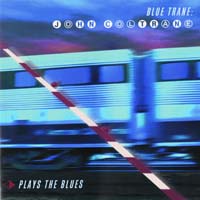 1962Coltrane Plays the Blues
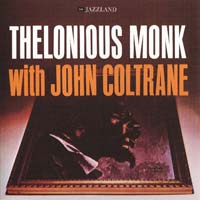 1961Thelonious Monk with John Coltrane
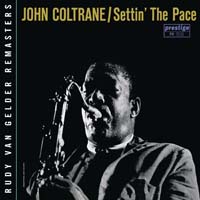 1961Settin' the Pace
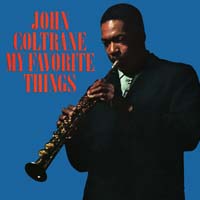 1961My Favorite Things
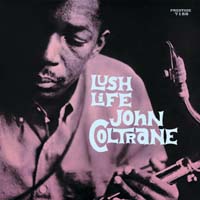 1961Lush Life
 1959The Cats
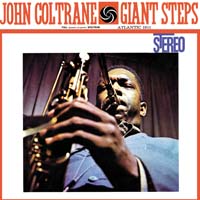 1959Giant Steps
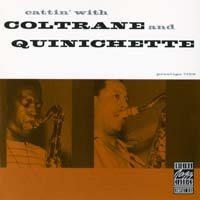 1959Cattin' with Coltrane and Quinichette
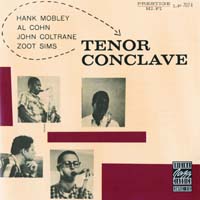 1957Tenor Conclave
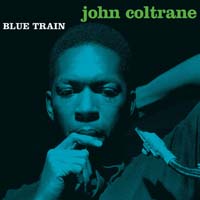 1957Blue Train