
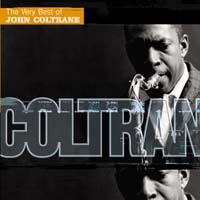
Review of John Coltrane – First Meditations (for Quartet)
First Meditations (for Quartet)- Album Overview
Released in 1965, "First Meditations (for Quartet)" captures an essential moment in John Coltrane's evolution as a jazz artist. This album is a collection of spiritual and meditative compositions that showcase Coltrane's deep commitment to exploring the boundaries of jazz. It features Coltrane on tenor saxophone, alongside a talented quartet consisting of McCoy Tyner on piano, Jimmy Garrison on bass, and Elvin Jones on drums. The album was recorded during a series of sessions at the Van Gelder Studio in Englewood Cliffs, New Jersey, which is renowned for its pristine sound quality and has been the birthplace of many classic jazz recordings. Released on the Impulse! label, "First Meditations" is often hailed as a precursor to Coltrane's later works, particularly the monumental "A Love Supreme." The album consists of five tracks: "The Father and the Son and the Holy Ghost," "One Down, One Up," "India," "Seraphic," and "Spiritual." Each track is imbued with a sense of transcendence and deep introspection, reflecting Coltrane's own spiritual journey during this period. The album did not produce any commercial singles, but its influence on the jazz genre is profound, laying the groundwork for future explorations in modal jazz and free improvisation. Coltrane's use of complex harmonic structures and rhythmic patterns invites listeners into a meditative state, making this album not just a collection of songs but an experience that resonates with the listener's own spiritual inquiries.
Review
"First Meditations (for Quartet)" stands as a testament to John Coltrane's artistic vision, merging intricate improvisation with a deeply felt spirituality. Unlike his more frenetic works, this album offers a tranquil yet profound listening experience. The opening track, "The Father and the Son and the Holy Ghost," sets the tone for the album with its slow, deliberate pace, allowing Coltrane's saxophone to weave in and out of the dense harmonic landscape created by Tyner's lush piano chords. The interplay between the musicians is remarkable, with each member of the quartet contributing to a shared musical dialogue that feels both intimate and expansive. Coltrane's saxophone playing is at once powerful and ethereal, evoking a range of emotions that resonate deeply with listeners. The compositions are characterized by modal structures that give the musicians freedom to explore and improvise while maintaining a cohesive sound. This balance between structure and freedom is a hallmark of Coltrane's style and is displayed beautifully throughout the album. The spiritual undercurrents of the music are palpable, making it clear that Coltrane was not merely creating music, but rather seeking to express a deeper understanding of existence through sound.
Highlights
- Profound spiritual themes that resonate throughout the album.
- Exceptional musicianship from the entire quartet, particularly Coltrane and Tyner.
- Innovative use of modal jazz techniques that push the boundaries of traditional jazz.
Weak points
- The slow pace may not appeal to all listeners looking for more dynamic jazz.
- Less accessible than some of Coltrane's earlier works, requiring a more focused listening experience.
- Limited commercial appeal, which may overshadow its artistic significance.
Overall evaluation
"First Meditations (for Quartet)" is a compelling exploration of jazz that showcases John Coltrane's profound artistry and spiritual depth. It's an album that invites listeners to reflect and meditate, offering a unique experience within the jazz canon.
Personal rating: 9/10 1962Coltrane Plays the Blues
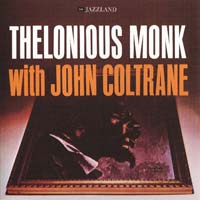 1961Thelonious Monk with John Coltrane
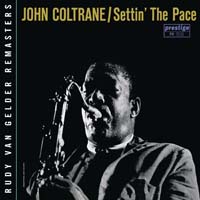 1961Settin' the Pace
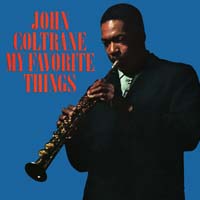 1961My Favorite Things
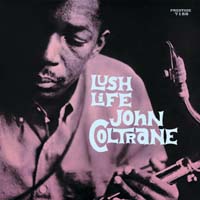 1961Lush Life
 1959The Cats
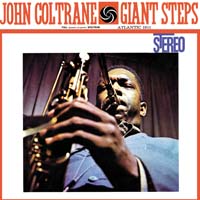 1959Giant Steps
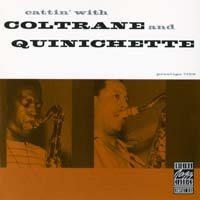 1959Cattin' with Coltrane and Quinichette
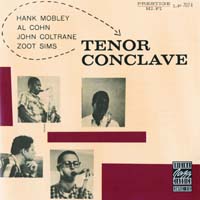 1957Tenor Conclave
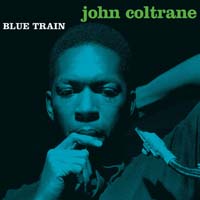 1957Blue Train