
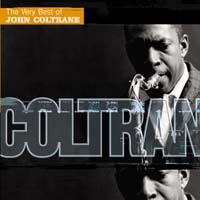
How John Coltrane shaped the sound of Black Pearls
Black Pearls- Album Overview
"Black Pearls" is an album by the legendary jazz saxophonist John Coltrane, released in 1964 on the Impulse! label. This album features some of Coltrane's most innovative work, showcasing his unique ability to blend complex harmonic structures with deeply emotional expression. The recording sessions took place during a significant period in Coltrane's career, just before he transitioned into his more avant-garde explorations. The album consists of five tracks, all compositions by Coltrane, and includes notable collaborations with musicians such as McCoy Tyner on piano, Jimmy Garrison on bass, and Elvin Jones on drums, who were integral to his classic quartet. "Black Pearls" stands out for its exploration of spirituality and cultural identity, themes that would come to define much of Coltrane's later work. The title track is particularly notable for its intricate melodies and rich textures, reflecting Coltrane's deep connection to the jazz tradition while also signaling his path towards more experimental sounds. The album was produced by Bob Thiele, who was instrumental in shaping the sound of the Impulse! label during the 1960s, allowing Coltrane the creative freedom to push the boundaries of jazz. Though not as commercially celebrated as some of his other works, "Black Pearls" is significant for its introspective nature and its reflection of the social and cultural currents of the time, marking a pivotal moment in the evolution of jazz. The album is often regarded as a bridge between Coltrane's earlier hard-bop style and his later spiritual jazz explorations, making it a crucial piece in understanding his artistic journey.
Review
"Black Pearls" is a captivating showcase of John Coltrane's artistic vision, characterized by a deep sense of introspection and innovation. The album opens with the title track, which is a mesmerizing blend of modal jazz and spiritual overtones, setting the tone for what follows. Coltrane's saxophone work is both lyrical and complex, navigating through intricate melodies while maintaining an emotional core that resonates with listeners. Throughout the album, the synergy between Coltrane and his bandmates is palpable. McCoy Tyner's piano complements Coltrane's saxophone with lush chords and rhythmic exploration, while Elvin Jones' drumming adds a layer of intensity that drives the music forward. The production by Bob Thiele allows for a warm, rich sound that highlights the nuances of each instrument. The album does not shy away from challenging musical concepts, yet it remains accessible due to Coltrane's ability to weave personal stories into the fabric of his compositions. Each track is a journey, inviting listeners to reflect on their own experiences while engaging with the music. Overall, "Black Pearls" is a profound meditation on the nature of sound and spirituality, encapsulating Coltrane's influential role in the jazz genre.
Highlights
- Innovative blend of modal jazz and spiritual themes
- Strong synergy between Coltrane and his collaborators
- Emotionally resonant compositions that invite personal reflection
Weak points
- Not as commercially successful or widely recognized as Coltrane's more famous albums
- Some experimental elements may be challenging for casual listeners
- Shorter track length may leave some listeners wanting more depth
Overall evaluation
"Black Pearls" is an essential listen for anyone looking to understand the evolution of jazz and the profound impact of John Coltrane on the genre. It is a testament to his artistic vision and his ability to convey deep emotion through complex musical structures.
Personal rating: 8/10 1962Coltrane Plays the Blues
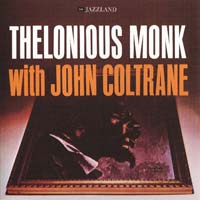 1961Thelonious Monk with John Coltrane
 1961Settin' the Pace
 1961My Favorite Things
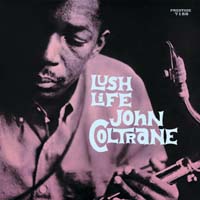 1961Lush Life
 1959The Cats
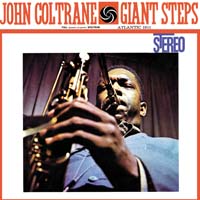 1959Giant Steps
 1959Cattin' with Coltrane and Quinichette
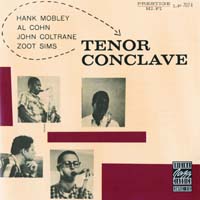 1957Tenor Conclave
 1957Blue Train