
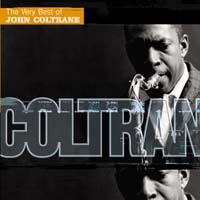
The Paris Concert: what John Coltrane wants you to feel
The Paris Concert- Album Overview
"The Paris Concert" is a live album by the legendary jazz saxophonist John Coltrane, released in 1970 on the Impulse! label. This album showcases a performance recorded at the Antoine Theatre in Paris on July 6, 1965, during Coltrane's European tour. It features a remarkable lineup including Pharoah Sanders on tenor saxophone, Alice Coltrane on piano, Jimmy Garrison on bass, and Elvin Jones on drums, further solidifying Coltrane's reputation as a collaborative force in jazz. The concert is notable for its extended improvisational pieces, which are a hallmark of Coltrane's later work, emphasizing spiritual and avant-garde influences that characterize his musical evolution. The album includes several tracks that were staples of Coltrane's repertoire at the time, such as "Acknowledgement" and "Resolution," both of which are part of his larger "A Love Supreme" suite. The recording captures the raw energy of a live performance, allowing listeners to experience the spontaneity and depth of Coltrane's musical expression. "The Paris Concert" stands as a significant document of the jazz genre, illustrating the cultural exchange between American jazz musicians and European audiences during the 1960s, a period marked by social upheaval and artistic experimentation. The album's release introduced many listeners to Coltrane's more exploratory sound, paving the way for future generations of jazz musicians.
Review
The sound on "The Paris Concert" is a rich tapestry woven from the threads of improvisation and spiritual exploration, hallmarks of Coltrane's artistry. The performance begins with an energetic and passionate rendition of "A Love Supreme," which pulls listeners into a whirlwind of sound that is both chaotic and harmonious. Coltrane's saxophone speaks with a voice that resonates deeply, evoking emotions that range from joy to introspection. His collaborators, particularly Pharoah Sanders, contribute a complementary energy that pushes the boundaries of traditional jazz. The album's artistic vision lies in its ability to convey a sense of urgency and transcendence, as if Coltrane is guiding his audience through a spiritual journey. The extended solos and collective improvisation create an atmosphere of connection and exploration, where every note seems to resonate with a higher purpose. The absence of conventional song structure in many tracks allows the musicians to stretch their creativity, emphasizing the improvisational nature of jazz. While some may find the abstract approach challenging, it ultimately serves to immerse listeners in the emotional depths that Coltrane seeks to convey.
Highlights
- The powerful improvisation that showcases Coltrane's innovative spirit.
- The chemistry between Coltrane and his collaborators, particularly the interplay with Pharoah Sanders.
- The album's ability to evoke a wide range of emotions, making it a profound listening experience.
Weak points
- Some listeners may find the extended tracks challenging due to their abstract nature.
- The sound quality, while generally good, may not meet modern standards for live recordings.
- The lack of more accessible melodies might alienate casual jazz listeners.
Overall evaluation
"The Paris Concert" stands as a powerful testament to John Coltrane's musical genius and his ability to push the boundaries of jazz. It is an essential listening experience for anyone looking to understand the depth of his artistry. While it may not be the most accessible entry point for new listeners, its emotional weight and improvisational brilliance make it a rewarding venture for those willing to dive into Coltrane's world.
Personal rating: 9/10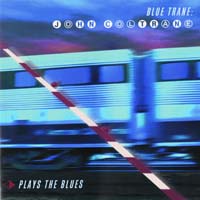 1962Coltrane Plays the Blues
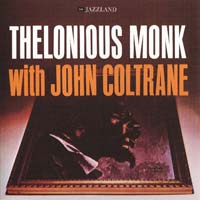 1961Thelonious Monk with John Coltrane
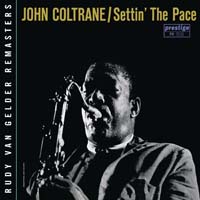 1961Settin' the Pace
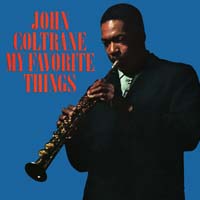 1961My Favorite Things
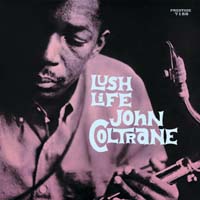 1961Lush Life
 1959The Cats
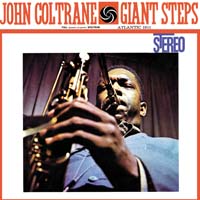 1959Giant Steps
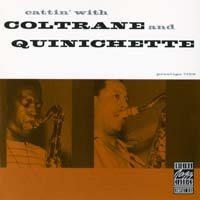 1959Cattin' with Coltrane and Quinichette
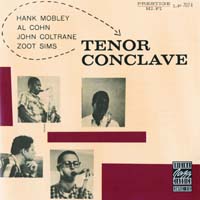 1957Tenor Conclave
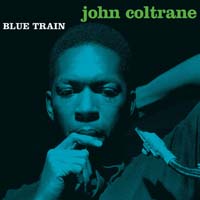 1957Blue Train