
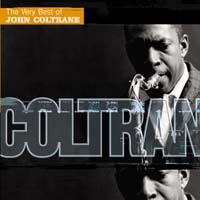
Exploring the sound of John Coltrane: Bags & Trane
Bags & Trane- Album Overview
"Bags & Trane," released in 1962, is a remarkable jazz album that features the legendary saxophonist John Coltrane alongside vibraphonist Milt Jackson. This collaboration was recorded during a pivotal time in Coltrane's career, just before he would fully dive into his spiritual and avant-garde explorations. The album was released under the prestigious Impulse! Records label, a sign of quality and innovation in jazz music.
The recording took place in 1961, showcasing a harmonious blend of Jackson's rich, melodic vibes with Coltrane's dynamic saxophone playing. The album consists of five tracks, including notable pieces like "Bag's Groove" and "Weaver of Dreams." It features a stellar lineup of musicians, including drummer Elvin Jones and bassist Art Davis, both of whom contributed to the album's intricate textures and rhythmic complexity.
Musically, "Bags & Trane" is characterized by its intricate interplay between the instruments, with Coltrane's improvisational prowess shining through. The album's sound is steeped in post-bop and modal jazz, capturing the essence of the early 1960s jazz scene. The title track, "Bag's Groove," is a classic and showcases the seamless chemistry between Coltrane and Jackson.
In terms of cultural significance, "Bags & Trane" represents a bridge between the traditional jazz forms and the more explorative directions that Coltrane would pursue later in his career. Its experimental edge and the collaboration between two jazz giants made it a vital record in the evolution of jazz, influencing countless musicians who followed.
Review
"Bags & Trane" showcases Coltrane's early brilliance while still embracing the melodic elegance of Milt Jackson's vibraphone. The interplay between these two distinct voices results in a sound that is both rich and textured. Coltrane's saxophone is fiery and emotive, often soaring above Jackson's vibraphone, which provides a soft yet intricate backdrop. The album's production captures the live essence of their performances, allowing the listener to feel the spontaneity and excitement of the session. The tracks flow seamlessly into each other, creating an immersive listening experience.
While the album may not feature the radical experimentation that would define Coltrane's later works, it is a testament to his versatility and ability to adapt to different musical conversations. The artistry on display here is marked by a respect for the jazz tradition while hinting at the groundbreaking explorations to come.
Highlights
- Seamless collaboration between Coltrane and Jackson, showcasing their unique musical chemistry.
- Rich, textured sound that balances improvisation with melodic structure.
- Standout tracks like "Bag's Groove" highlight the album's innovative approach to jazz standards.
Weak points
- Some listeners may find the album less adventurous compared to Coltrane's later works.
- The overall length of the album is shorter, which may leave some wanting more.
- Occasional moments of predictability in improvisation compared to the more daring explorations of his later career.
Overall evaluation
"Bags & Trane" is a significant work in both Coltrane's career and the jazz genre as a whole. It serves as a beautiful reminder of the artistry that can emerge from collaboration, offering listeners a blend of melodic sophistication and improvisational brilliance.
Personal rating: 8/10 1962Coltrane Plays the Blues
 1961Thelonious Monk with John Coltrane
 1961Settin' the Pace
 1961My Favorite Things
 1961Lush Life
 1959The Cats
 1959Giant Steps
 1959Cattin' with Coltrane and Quinichette
 1957Tenor Conclave
 1957Blue Train