
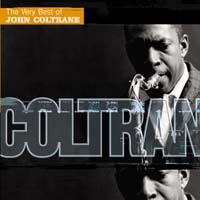
Interplay For 2 Trumpets And 2 Tenors: discovering John Coltrane's artistry
Interplay For 2 Trumpets And 2 Tenors- Album Overview
Released in 1963, "Interplay For 2 Trumpets And 2 Tenors" is a notable album that showcases the innovative spirit of John Coltrane, a defining figure in jazz history. This album features an ensemble that includes trumpeters Donald Byrd and Lee Morgan alongside tenor saxophonists McCoy Tyner and Coltrane himself. It was recorded under the Impulse! label, a label that became synonymous with groundbreaking jazz. The sessions for this album were conducted in a period of tremendous artistic growth for Coltrane, who was experimenting with modal jazz and complex harmonies.
The album consists of several tracks that highlight the interplay between the two trumpets and two tenors, creating a rich tapestry of sound. Notable tracks include "A Love Supreme," which, although not featured as a title on this album, echoes the themes of spiritual transcendence that Coltrane was exploring in his work. The album stands out for its intricate arrangements and the seamless collaboration between the musicians, each bringing their unique style to the forefront.
Coltrane's artistic vision during this time was heavily influenced by his interest in Eastern philosophies and spiritualism, which can be heard in the meditative quality of the music. The album, while not a commercial hit upon its release, has gained retrospective acclaim as a significant work in Coltrane's discography, reflecting his desire to push the boundaries of jazz. It serves as a testament to the collaborative spirit of the jazz community in the 1960s, an era that fostered innovation and creativity.
Review
"Interplay For 2 Trumpets And 2 Tenors" is a compelling exploration of jazz that captures both the technical prowess and emotional depth of its participants. The album's sound is marked by the rich tones of the trumpets, which weave in and out of the melodic lines created by the tenor saxophones. Each track invites the listener into a dialogue of musical ideas, where the improvisational skills of Coltrane and his collaborators shine brightly.
The artistic vision behind the album is clear: it is a celebration of unity and conversation within music. The interplay between the instruments creates a dynamic that is both engaging and thought-provoking. Coltrane's saxophone work is particularly noteworthy, embodying both a raw intensity and an ethereal quality that draws listeners in. The album does not rely on lyrics, yet the music speaks volumes, exploring themes of connection, spirituality, and the complexity of human emotions.
Highlights
- Exceptional musicianship from all players involved
- Innovative arrangements that highlight the interplay of instruments
- A deep emotional resonance that transcends the absence of lyrics
Weak points
- May be challenging for casual listeners due to its complexity
- Lack of commercial singles may limit broader appeal
- Some tracks may feel overly experimental for traditional jazz fans
Overall evaluation
"Interplay For 2 Trumpets And 2 Tenors" is a masterclass in collaborative jazz, showcasing John Coltrane’s genius and the vibrant interplay of talented musicians. It is an essential listen for anyone looking to understand the evolution of jazz in the 1960s.
Personal rating: 8/10 1962Coltrane Plays the Blues
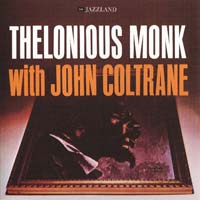 1961Thelonious Monk with John Coltrane
 1961Settin' the Pace
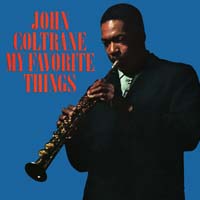 1961My Favorite Things
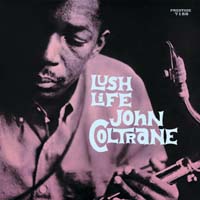 1961Lush Life
 1959The Cats
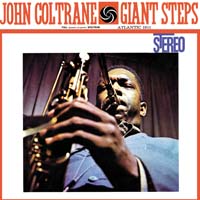 1959Giant Steps
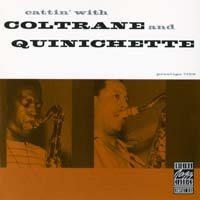 1959Cattin' with Coltrane and Quinichette
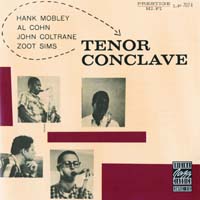 1957Tenor Conclave
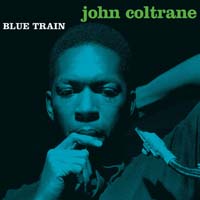 1957Blue Train