
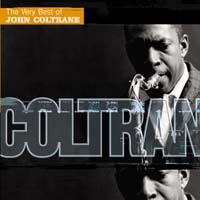
Dakar: the story John Coltrane wants to tell
Dakar- Album Overview
Released in 1964, "Dakar" is a notable album by the legendary jazz saxophonist John Coltrane, showcasing his innovative approach to music and his exploration of new sounds. The album was recorded during a transformative era in Coltrane's career, where he was deeply immersed in the spiritual and avant-garde aspects of jazz. It was released under the Impulse! Records label, a platform known for promoting groundbreaking jazz artists. "Dakar" features just two tracks: the title track "Dakar" and "Ascent," both of which exemplify Coltrane's ability to blend complex harmonies with emotive melodies. The album was recorded with a stellar ensemble, including notable musicians such as McCoy Tyner on piano, Jimmy Garrison on bass, and Elvin Jones on drums, who were integral to Coltrane’s sound during this period. The recording sessions took place in New Jersey, capturing the raw energy and improvisational spirit that Coltrane was known for. While "Dakar" may not have achieved the same commercial success as "A Love Supreme," its artistic significance lies in Coltrane's continued exploration of African musical influences and the incorporation of non-Western scales. This album reflects Coltrane's ongoing journey into the spiritual dimensions of music, making it a critical piece in his discography.
Review
"Dakar" is a profound testament to Coltrane's artistic vision, marked by a seamless fusion of jazz and world music elements. The title track is an expansive piece that unfolds gradually, featuring Coltrane's signature intense saxophone lines that evoke a sense of longing and transcendence. The track's rhythmic complexity, underscored by Tyner's piano and Jones's intricate drumming, creates a dynamic listening experience that draws the listener into Coltrane's world. In "Ascent," the mood shifts dramatically, showcasing Coltrane's ability to experiment with sound textures and emotional depth. The interplay between the musicians is electric, with each artist contributing to the overall tapestry of sound. Coltrane's improvisational skills shine through, as he weaves in and out of various motifs, creating an exhilarating journey that feels both spontaneous and meticulously crafted. While the album may challenge conventional jazz structures, it ultimately rewards listeners with its rich layers and profound emotional resonance.
Highlights
- Innovative blend of jazz with African musical influences.
- Exceptional improvisational performances by Coltrane and his ensemble.
- Deep emotional resonance and spiritual exploration throughout the tracks.
Weak points
- Limited commercial appeal compared to Coltrane's more popular works.
- May feel challenging for listeners unfamiliar with avant-garde jazz.
- Short track length may leave some craving more musical exploration.
Overall evaluation
"Dakar" stands as a significant entry in John Coltrane's illustrious career, embodying his quest for spiritual expression through music. While it may not be as accessible as some of his other albums, its depth and creativity make it essential listening for jazz enthusiasts.
Personal rating: 8/10 1962Coltrane Plays the Blues
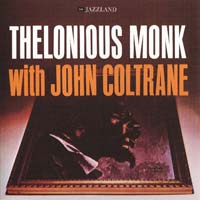 1961Thelonious Monk with John Coltrane
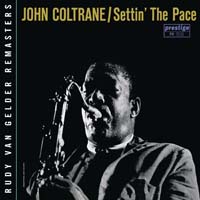 1961Settin' the Pace
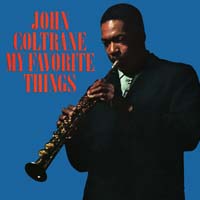 1961My Favorite Things
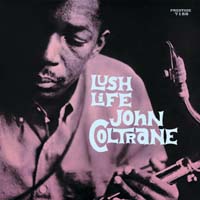 1961Lush Life
 1959The Cats
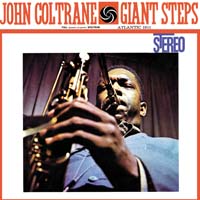 1959Giant Steps
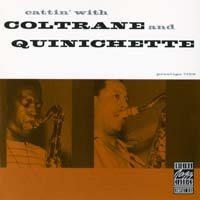 1959Cattin' with Coltrane and Quinichette
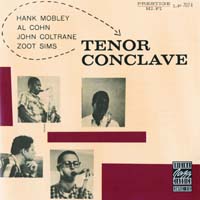 1957Tenor Conclave
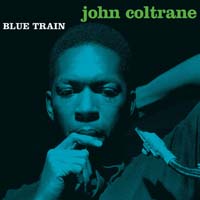 1957Blue Train