
From intro to finale: what Interstellar Space delivers
Interstellar Space- Album Overview
Released in 1974, "Interstellar Space" is one of John Coltrane's most ambitious posthumous works, recorded in 1967 during a period of immense creative evolution for the legendary jazz saxophonist. The album was released by Impulse! Records, a label known for its avant-garde and progressive jazz offerings. "Interstellar Space" features only two tracks, "Interstellar Space" and "Mars," each representing a unique exploration of sound and spirituality through improvisation. Coltrane collaborated with drummer Rashied Ali, whose dynamic and fluid drumming provides a perfect counterpart to Coltrane's visionary saxophone work. The recording sessions, which took place in the late summer of 1967, were characterized by an intense, almost telepathic connection between the two musicians, resulting in a sonic landscape that transcends traditional jazz boundaries. The album has gained significant cultural importance over the years, often regarded as a seminal work in free jazz and spiritual jazz genres, showcasing Coltrane's quest for higher musical and metaphysical realms. The absence of a conventional structure allows listeners to experience Coltrane's profound emotional depth and innovative improvisational style, making it a cornerstone of his discography.
Review
"Interstellar Space" is an audacious exploration of sound that defies categorization, with Coltrane's saxophone soaring through intricate passages, creating an ethereal atmosphere. The absence of a harmonic backdrop forces listeners to focus on the rhythmic interplay between Coltrane and Ali, which is both mesmerizing and challenging. The album captures Coltrane’s spiritual journey, reflecting his deep commitment to finding a higher truth through music. Each track is a dialogue, an exchange of ideas that resonates with the listener on an emotional level. The rawness of the improvisation draws one into a meditative state, as the musicians venture into uncharted territory. However, the unstructured nature of the album may alienate some listeners who prefer the more accessible melodies found in Coltrane's earlier works. Nevertheless, those willing to embrace the avant-garde will find "Interstellar Space" an exhilarating and rewarding experience.
Highlights
- Innovative improvisation that pushes the boundaries of jazz.
- The deep emotional connection between Coltrane and Ali.
- A profound exploration of spirituality and musical freedom.
Weak points
- The abstract nature may not appeal to all jazz listeners.
- Limited tracklist leaves some wanting more traditional structure.
- Can be challenging to digest in a single listening session.
Overall evaluation
"Interstellar Space" stands as a testament to John Coltrane's genius and his relentless pursuit of musical exploration. While it may not cater to everyone's tastes, it undeniably offers a unique experience that is both challenging and enriching.
Personal rating: 9/10 1962Coltrane Plays the Blues
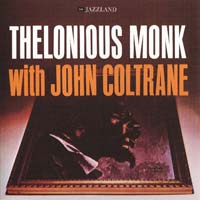 1961Thelonious Monk with John Coltrane
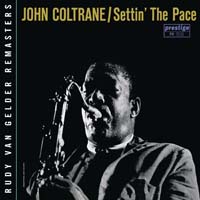 1961Settin' the Pace
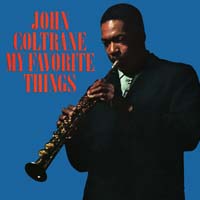 1961My Favorite Things
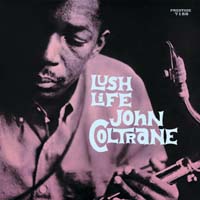 1961Lush Life
 1959The Cats
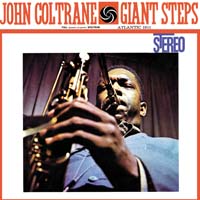 1959Giant Steps
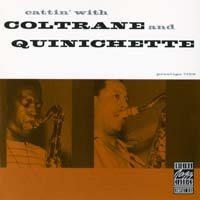 1959Cattin' with Coltrane and Quinichette
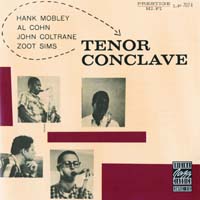 1957Tenor Conclave
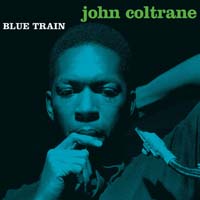 1957Blue Train