
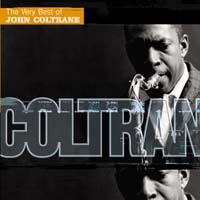
First impressions of John Coltrane – Expression
Expression- Album Overview
Released in 1967, "Expression" is one of John Coltrane's final studio albums, showcasing his profound exploration of spiritual themes and the avant-garde jazz sound that he helped to pioneer. The album was released under the Impulse! Records label, a platform that became synonymous with Coltrane during his innovative period in the 1960s. The recording sessions took place in 1966, featuring a stellar lineup of musicians, including Alice Coltrane on piano and harp, Pharoah Sanders on tenor saxophone, Jimmy Garrison on bass, and Elvin Jones on drums. This ensemble contributed to the album's rich texture and depth, further demonstrating Coltrane's collaborative spirit as he blended different styles and influences into his music. The album comprises five tracks: "Expression," "Offering," "Untitled," "A Love Supreme," and "The Father and the Son and the Holy Ghost." Each piece reflects Coltrane's deep commitment to exploring spirituality through sound, often expressing complex emotions and transcendent themes. "Expression," the title track, stands out for its meditative quality, weaving together intricate melodies with improvisational elements. The album's release came at a time when Coltrane was increasingly focused on the philosophical aspects of music, making "Expression" a significant entry in his discography that resonates with both jazz aficionados and those interested in the intersection of music and spirituality.
Review
Musically, "Expression" is a testament to Coltrane's evolving artistry, characterized by a blend of free jazz and modal improvisation. The album's sound is expansive, with each track inviting listeners into a contemplative space. Coltrane's saxophone work is both emotive and cerebral, showcasing his unique ability to convey complex feelings through his instrument. The intertwining of Alice Coltrane's harp and Pharoah Sanders' saxophone creates a lush soundscape that enhances the spiritual undertones of the album. Lyrically, while the album does not follow traditional song structures, the compositions themselves act as narratives, exploring themes of love, faith, and transcendence. Coltrane's artistic vision during this period was deeply influenced by his personal journey and beliefs, making "Expression" a profound reflection of his inner world. The album stands as a significant cultural artifact of its time, embodying the quest for deeper meaning in a rapidly changing society, and it continues to inspire musicians and listeners alike.
Highlights
- The meditative quality of the title track, "Expression."
- Coltrane's innovative use of modal jazz, creating a unique sound.
- The collaborative energy between musicians, particularly the interplay with Alice Coltrane and Pharoah Sanders.
Weak points
- The abstract nature of some tracks may not appeal to all listeners.
- Shorter length compared to other Coltrane albums, leaving some themes less explored.
- The album's experimental approach may challenge traditional jazz fans.
Overall evaluation
"Expression" is a compelling example of John Coltrane's later work, merging complex musical ideas with profound spiritual inquiry. It serves as a bridge between jazz and the exploration of deeper existential themes, marking a significant chapter in Coltrane's illustrious career.
Personal rating: 9/10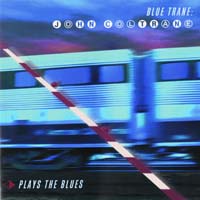 1962Coltrane Plays the Blues
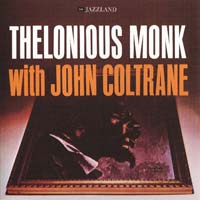 1961Thelonious Monk with John Coltrane
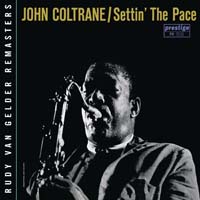 1961Settin' the Pace
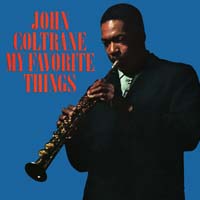 1961My Favorite Things
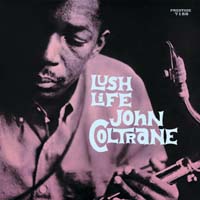 1961Lush Life
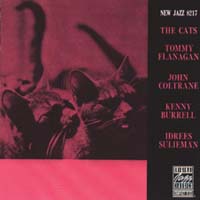 1959The Cats
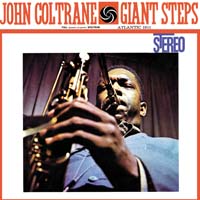 1959Giant Steps
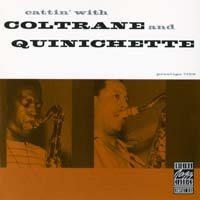 1959Cattin' with Coltrane and Quinichette
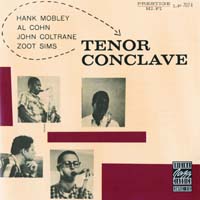 1957Tenor Conclave
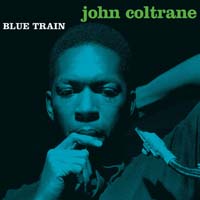 1957Blue Train