
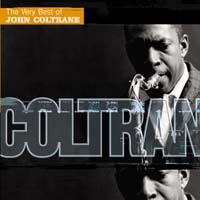
John Coltrane – Settin’ The Pace: a sonic journey
Settin’ The Pace- Album Overview
"Settin’ The Pace" is a pivotal album in the discography of jazz saxophonist John Coltrane, released in 1958 on the Prestige label. This album showcases Coltrane's burgeoning talent as he navigates the complex landscape of hard bop, a genre that blends elements of bebop with blues and gospel influences. "Settin’ The Pace" features a total of six tracks, including notable pieces like "Giant Steps" and "My Favorite Things," both of which would later become staples in Coltrane's repertoire.
The recording sessions took place during a period of intense creativity for Coltrane, where he collaborated with an impressive lineup of musicians, including pianist McCoy Tyner, bassist Jimmy Garrison, and drummer Elvin Jones. The sessions were marked by a sense of exploration, with Coltrane pushing the boundaries of harmony and rhythm. This album not only highlights his virtuosic skills on the saxophone but also his innovative approach to improvisation.
The cultural significance of "Settin’ The Pace" cannot be understated. It was released in a time when jazz was evolving rapidly, and Coltrane was at the forefront of this movement. The album reflects the socio-political climate of the late 1950s, where jazz emerged as a voice for freedom and expression. Additionally, it set the stage for Coltrane’s later explorations into modal jazz and spiritual themes, marking it as an essential listen for any jazz aficionado.
Review
"Settin’ The Pace" captures a moment in jazz history where John Coltrane was transitioning from a sideman to a leading figure in the genre. The album’s sound is characterized by its intricate harmonies and rhythmic complexity, with Coltrane's tenor saxophone weaving through each track with both aggression and lyrical beauty. His ability to blend technical prowess with emotive storytelling is evident throughout, especially in tracks like "Giant Steps," which showcases a groundbreaking approach to chord progressions.
The production quality is pristine, allowing each instrument to shine while creating a cohesive sound. Collaborators like pianist McCoy Tyner contribute significantly to the album's depth, providing a rich harmonic backdrop against which Coltrane's improvisations flourish. The artistic vision behind "Settin’ The Pace" reflects Coltrane's relentless quest for musical exploration, and it is this willingness to push boundaries that elevates the album beyond mere entertainment to a profound listening experience.
Highlights
- Innovative improvisation that showcases Coltrane's technical mastery.
- Strong collaborations with top-tier jazz musicians of the era.
- Culturally significant as a reflection of jazz's evolution in the late 1950s.
Weak points
- Some listeners may find the complex harmonies challenging to fully appreciate.
- The album's length may feel brief for those wanting more from Coltrane's explorations.
- Not as polished as Coltrane's later works, which may deter some fans.
Overall evaluation
"Settin’ The Pace" stands as a critical piece in John Coltrane's oeuvre, capturing both his technical skill and the essence of a transformative period in jazz. While it may not be as universally recognized as some of his later masterpieces, it is essential for understanding his artistic development and the evolution of jazz as a whole.
Personal rating: 8/10 1962Coltrane Plays the Blues
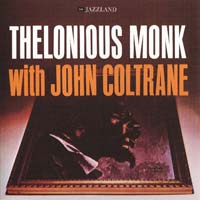 1961Thelonious Monk with John Coltrane
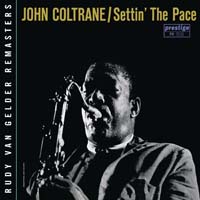 1961Settin' the Pace
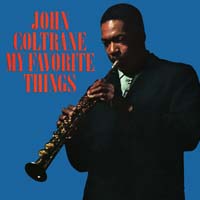 1961My Favorite Things
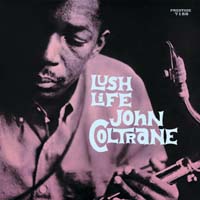 1961Lush Life
 1959The Cats
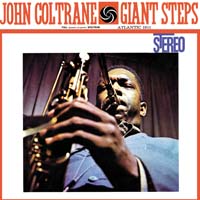 1959Giant Steps
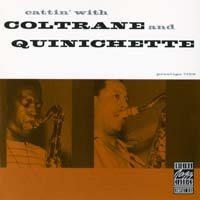 1959Cattin' with Coltrane and Quinichette
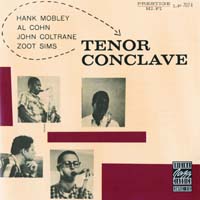 1957Tenor Conclave
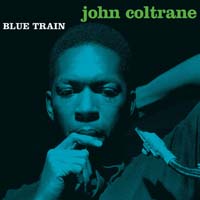 1957Blue Train