
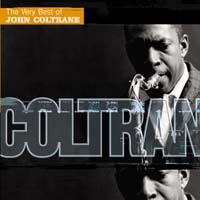
Cattin’ With Coltrane And Quinichette: the story John Coltrane wants to tell
Cattin’ With Coltrane And Quinichette- Album Overview
"Cattin’ With Coltrane And Quinichette" is a remarkable jazz album by the legendary saxophonist John Coltrane, released in 1959 on the Prestige label. The album showcases Coltrane's early work during his formative years, a period when he was honing his craft and establishing his distinct voice in the jazz world. Recorded in 1957, the album features a collaboration with fellow saxophonist and bandleader, Alonzo "Al" Quinichette, who was known for his smooth and melodic style.
The recording sessions took place at the Van Gelder Studio, a renowned location for jazz recordings, with the legendary engineer Rudy Van Gelder at the helm. The album comprises a total of six tracks, including notable pieces such as "Violets for Your Furs" and "The Night Has a Thousand Eyes." The other musicians featured on this album include pianist McCoy Tyner, bassist Jimmy Garrison, and drummer Elvin Jones, who would later become key collaborators in Coltrane's groundbreaking work in the 1960s.
Musically, "Cattin’ With Coltrane And Quinichette" blends hard bop with elements of modal jazz, showcasing Coltrane's intricate improvisations and deep emotional expressions. The album stands out not only for its musicality but also for its cultural significance; it reflects a pivotal moment in jazz history as artists began to explore new sounds and break traditional boundaries. As Coltrane was making his mark, this album captured the essence of a transformative era in jazz, making it an essential listen for both jazz aficionados and newcomers alike.
Review
The sound of "Cattin’ With Coltrane And Quinichette" is a compelling blend of two distinct saxophonistic styles, with Coltrane's intense and exploratory approach contrasting beautifully with Quinichette's more laid-back and lyrical phrasing. The album's spacious arrangements allow both saxophonists to shine, creating a dialogue that is rich and compelling. Coltrane's improvisational skills are particularly evident in tracks like "Violets for Your Furs," where he effortlessly weaves complex melodies into the fabric of the tune, showcasing his burgeoning genius.
While the album lacks the audacity of Coltrane's later works, it serves as a crucial stepping stone in his artistic journey, revealing the roots of his innovative spirit. The interplay between the saxophones is masterful, and the rhythm section provides a solid foundation that enhances the overall experience. The synergy between the musicians is palpable, resulting in an album that is cohesive yet diverse in its soundscapes. Coltrane's vision during this period, though still developing, hints at the groundbreaking paths he would soon take as he moved toward a more avant-garde style.
Highlights
- Exceptional interplay between Coltrane and Quinichette, showcasing contrasting styles.
- Strong contributions from the rhythm section, enhancing the overall groove and feel.
- Tracks like "Violets for Your Furs" highlight Coltrane's improvisational brilliance.
Weak points
- Some listeners may find the album less adventurous compared to Coltrane's later works.
- The production, while good, lacks the polished quality of his albums from the 1960s.
- Limited vocal elements may not appeal to those who prefer lyrical content in jazz.
Overall evaluation
"Cattin’ With Coltrane And Quinichette" is a significant piece of jazz history, capturing a moment in time when John Coltrane was beginning to emerge as a leading figure in the genre. The album provides a fascinating glimpse into his early style and the collaborative spirit of jazz during the late 1950s. While it may not possess
 1962Coltrane Plays the Blues
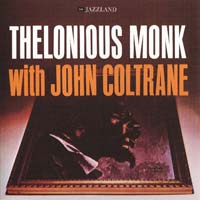 1961Thelonious Monk with John Coltrane
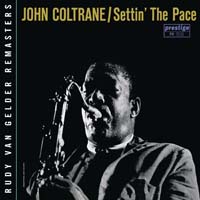 1961Settin' the Pace
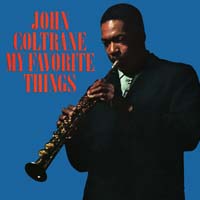 1961My Favorite Things
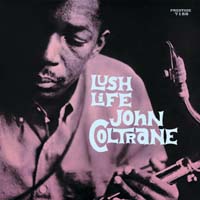 1961Lush Life
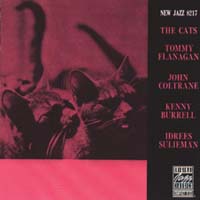 1959The Cats
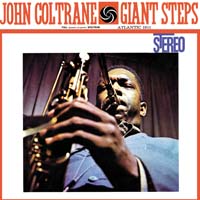 1959Giant Steps
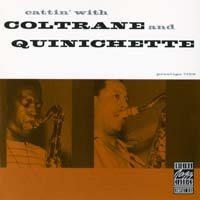 1959Cattin' with Coltrane and Quinichette
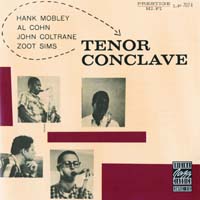 1957Tenor Conclave
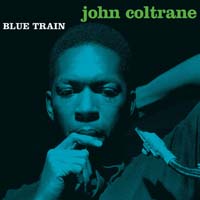 1957Blue Train