
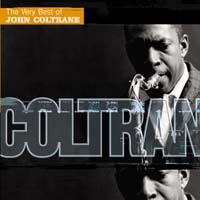
How John Coltrane shaped the sound of Coltrane’s Sound
Coltrane’s Sound- Album Overview
Released in 1964, "Coltrane’s Sound" is a significant entry in the discography of jazz saxophonist John Coltrane. The album was recorded during sessions at the Van Gelder Studio in Englewood Cliffs, New Jersey, in the spring of 1964, and was released under the Impulse! label. This album features a lineup that includes notable musicians such as McCoy Tyner on piano, Jimmy Garrison on bass, and Elvin Jones on drums, all of whom were integral to Coltrane's sound during this prolific period. "Coltrane’s Sound" consists of six tracks, including the standout compositions "A Love Supreme," "Equinox," and "Resolution." The album showcases Coltrane's innovative improvisational style, characterized by his use of modal jazz and complex harmonic structures. The recordings reflect a transitional phase in Coltrane's career as he explored spiritual themes and deeper emotional expressions through his music. The singles "Equinox" and "A Love Supreme" have become essential pieces in the jazz repertoire, influencing countless musicians across various genres. The album not only highlights Coltrane’s technical prowess but also his ability to convey profound emotional depth through his saxophone, cementing his role as a pivotal figure in 20th-century music. "Coltrane’s Sound" is often regarded as a crucial part of the avant-garde jazz movement, demonstrating how Coltrane's innovations helped shape the future of jazz.
Review
"Coltrane’s Sound" is an extraordinary showcase of John Coltrane's artistic vision, marked by its exploratory nature and emotional depth. The album opens with "Chasin' the Trane," a frenetic piece that instantly captures the listener’s attention with its intense energy. Coltrane's saxophone work is both powerful and fluid, demonstrating his ability to weave complex melodies that resonate with the listener. The interplay between Coltrane and his bandmates creates a dynamic soundscape, where each musician contributes to the overall narrative of the music. The arrangements are both intricate and loose, allowing for spontaneous bursts of creativity. Throughout the album, Coltrane's spiritual journey is palpable, particularly in tracks like "A Love Supreme," which showcases his quest for enlightenment through music. His innovative use of modal improvisation allows him to explore new sonic territories, pushing the boundaries of traditional jazz. While the album is rooted in jazz, it also reflects influences from various genres, making it accessible to a broader audience. The production quality is superb, capturing the raw energy of the live performances while ensuring clarity of sound, allowing listeners to appreciate the subtleties of each instrument. Overall, "Coltrane’s Sound" is a testament to Coltrane's genius and his lasting impact on the music world.
Highlights
- Innovative improvisational techniques that redefine jazz standards.
- Powerful emotional expression through saxophone melodies.
- Exceptional collaboration with talented musicians, creating a cohesive sound.
Weak points
- Some tracks may feel overly complex for casual listeners.
- Limited accessibility compared to more mainstream jazz albums.
- The album’s experimental nature may not resonate with all audiences.
Overall evaluation
"Coltrane’s Sound" stands as a monumental work in jazz history, showcasing John Coltrane's innovative spirit and profound musicality. Its blend of technical prowess and emotional depth makes it a must-listen for any serious music enthusiast.
Personal rating: 9/10 1962Coltrane Plays the Blues
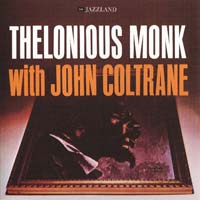 1961Thelonious Monk with John Coltrane
 1961Settin' the Pace
 1961My Favorite Things
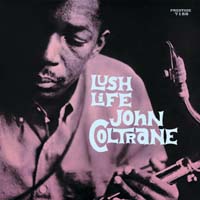 1961Lush Life
 1959The Cats
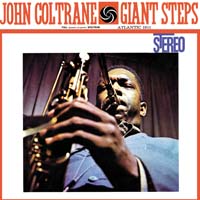 1959Giant Steps
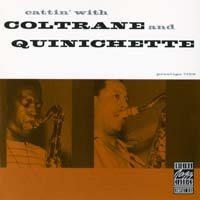 1959Cattin' with Coltrane and Quinichette
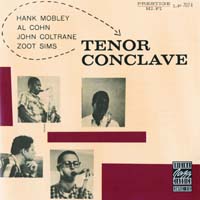 1957Tenor Conclave
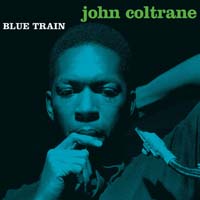 1957Blue Train