

One week with Zul'm: thoughts on Muslimgauze
Zul'm- Album Overview
The album "Zul'm" by Muslimgauze was released in 1994 and stands as a significant entry in the genre of experimental electronic music. Muslimgauze, the brainchild of the late Bryn Jones, is known for his unique blend of Middle Eastern musical elements with industrial and ambient soundscapes. "Zul'm," released under the label Staalplaat, showcases Jones's commitment to exploring themes surrounding the socio-political landscape of the Middle East, particularly in relation to Palestine. The album features a mix of rhythmic percussion, sampled vocals, and atmospheric synths that create a haunting yet immersive listening experience. The production of "Zul'm" is notable for its rawness and spontaneity, characteristics typical of Jones’s work, as he often recorded in a home studio setting, using an array of synthesizers and drum machines. Jones did not collaborate with traditional vocalists or musicians, instead opting to manipulate field recordings and samples, which adds to the authenticity of the album's sound. While "Zul'm" did not produce mainstream singles, tracks like "The Last Stand" and "Rising" are often highlighted for their intricate layering and evocative sound design. Culturally, "Zul'm" is significant as it reflects the struggles and narratives of the Middle Eastern populace, serving not only as a musical project but as a form of political expression. Muslimgauze's work has been influential in the realms of electronic music and world music, pushing boundaries and challenging listeners to confront complex geopolitical realities through sound.
Review
"Zul'm" is a compelling journey through sound, characterized by its experimental approach and unyielding spirit. The album's atmospheric textures transport the listener to a world often overlooked in mainstream music. Jones's ability to weave together various samples creates a rich tapestry that feels both ancient and modern. The rhythmic components are particularly striking, as they often draw from traditional Middle Eastern rhythms, recontextualized within a contemporary electronic framework. The album does not feature lyrics in the conventional sense; instead, it utilizes samples of voices and chants, which serve to enhance the emotional weight of the music. Each track invites listeners to engage with the socio-political messages embedded within, challenging them to reflect on the narratives often silenced in popular discourse. The artistic vision of Muslimgauze shines through in "Zul'm," as the work embodies both a personal and collective struggle, making it a poignant listening experience.
Highlights
- Innovative blend of electronic and traditional Middle Eastern sounds.
- Rich atmospheric textures that create an immersive experience.
- Strong socio-political themes that provoke thought and reflection.
Weak points
- Some tracks may feel disjointed for listeners seeking conventional song structures.
- The lack of prominent vocals might alienate those preferring lyrical content.
- Production quality may feel raw compared to polished contemporary electronic music.
Overall evaluation
"Zul'm" is a vital piece of work that showcases Muslimgauze's unique vision and sound. While it may not appeal to all due to its experimental nature, it remains an essential listen for those interested in the fusion of cultural sounds with modern electronic music. The album is both a personal expression and a political commentary, solidifying its place in the canon of influential music.
Personal rating: 8/10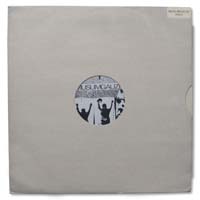 1983Kabul