

Muslimgauze raises the bar with Hebron Massacre
Hebron Massacre- Album Overview
"Hebron Massacre," released in 1996 by the influential British electronic artist Muslimgauze, stands as a powerful testament to the intersection of music and political commentary. The album was released through the label Staalplaat, known for its commitment to avant-garde and experimental music. Muslimgauze, the project of Bryn Jones, was renowned for its unique blend of Middle Eastern musical elements with electronic soundscapes, and "Hebron Massacre" is no exception. The album features a number of tracks that reflect Jones's deep engagement with the socio-political issues surrounding Palestine and the broader Middle East, particularly in response to the 1994 Cave of the Patriarchs massacre in Hebron. The album showcases Jones's distinctive production style, characterized by intricate percussion, samples from traditional Middle Eastern music, and a layering of atmospheric sounds that create a haunting auditory experience. While Muslimgauze often worked as a solo artist, collaborations with various musicians and vocalists can be noted throughout his discography, although "Hebron Massacre" primarily features Jones's solo work. The album did not release any official singles, but its tracks were circulated widely in underground music circles and gained significant attention for their poignant messaging. The cultural significance of "Hebron Massacre" lies not only in its innovative sound but also in its ability to provoke thought and discussion around issues of violence, identity, and resistance.
Review
The sound of "Hebron Massacre" is a complex tapestry woven from throbbing basslines, percussive elements, and haunting samples that echo the strife and resilience of the Palestinian people. Muslimgauze's ability to blend electronic music with traditional Middle Eastern sounds creates an immersive experience that resonates deeply on both an emotional and intellectual level. The tracks are devoid of conventional song structures, instead opting for a more freeform approach that mirrors the chaotic socio-political landscape it seeks to address. Lyrically, while the album may not rely heavily on traditional lyrics, the samples and sound bites used throughout serve as potent reminders of the harsh realities faced in conflict zones. Muslimgauze’s artistic vision transcends conventional music, positioning the listener within a broader narrative about resistance and struggle. The album’s atmospheric qualities evoke a sense of urgency and contemplation, making it not just a collection of songs, but a profound statement on human rights and the impact of war.
Highlights
- Innovative fusion of electronic and traditional Middle Eastern sounds.
- Powerful socio-political commentary embedded in the music.
- Immersive auditory experience that engages the listener on multiple levels.
Weak points
- May be challenging for mainstream audiences due to its experimental nature.
- Lack of conventional song structure might alienate some listeners.
- Limited accessibility to those unfamiliar with the cultural context.
Overall evaluation
"Hebron Massacre" is a significant work that elevates Muslimgauze’s status as a pioneer of politically charged electronic music. It is both a challenging listen and an essential one for those seeking to understand the intersection of art and activism. With its rich textures and profound messages, the album remains relevant and thought-provoking today.
Personal rating: 9/10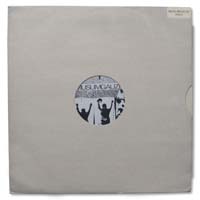 1983Kabul