

One week with No Human Rights For Arabs In Israel: thoughts on Muslimgauze
No Human Rights For Arabs In Israel- Album Overview
"No Human Rights For Arabs In Israel" is a pivotal album by the British electronic artist Muslimgauze, released in 1997. Known for his unique fusion of Middle Eastern sounds with electronic music, Muslimgauze, whose real name was Bryn Jones, produced a body of work deeply infused with political commentary and cultural critique. This particular album was released under the label Staalplaat, which is recognized for its commitment to experimental and avant-garde music.
The album was recorded during a prolific period for Jones, who released numerous albums throughout the 1990s, often with a focus on the Palestinian struggle and broader themes of oppression. "No Human Rights For Arabs In Israel" reflects his ongoing concern with the political landscape of the Middle East, characterized by its haunting sounds and rhythmic complexity. The tracks are instrumental, relying heavily on layered samples, drum machines, and synthesizers. Each composition serves as an auditory representation of the conflict and despair faced by the Arab population in Israel, making the album not just a collection of songs but a statement on human rights.
Although the album did not produce mainstream singles, its tracks such as "The Ghetto" and "Dancing in the Dark" have become notable within the Muslimgauze catalog. His distinct approach to music production, which often involved manipulating traditional Middle Eastern instruments alongside modern electronic techniques, set him apart in the electronic genre. Muslimgauze's work continues to resonate with listeners today, as it provides insight into the historical and cultural narratives that shape the Arab experience.
Review
The soundscape of "No Human Rights For Arabs In Israel" is a captivating blend of tribal rhythms and electronic experimentation. Muslimgauze's ability to weave together various elements—like the use of percussion from traditional Middle Eastern music and the cold precision of electronic beats—creates a unique auditory experience. The tracks are often repetitive, yet this repetition serves to reinforce the thematic weight of the album, echoing the ongoing struggles of those it seeks to represent.
Lyrically, the album is devoid of traditional vocals, relying instead on samples and atmospheric sounds to convey its message. This choice invites the listener to engage with the music on a deeper level, allowing the emotions tied to the themes of displacement and conflict to resonate without the distraction of lyrics. The artistic vision behind the album is bold and unapologetic, making it a significant piece in the canon of politically charged music.
Highlights
- Innovative blend of traditional and electronic music elements.
- Powerful political commentary through instrumental soundscapes.
- Rich, atmospheric production that engages listeners on multiple levels.
Weak points
- Lack of traditional song structures may alienate some listeners.
- Heavy reliance on repetition may feel monotonous over extended listening.
- Absence of vocal elements could limit emotional connection for some.
Overall evaluation
"No Human Rights For Arabs In Israel" stands as a testament to Muslimgauze’s ability to fuse music with poignant social commentary. While it may not cater to all musical tastes due to its experimental nature, its artistic integrity and cultural significance are undeniable. The album is both a challenging listen and an essential one for anyone interested in the intersection of music and political discourse.
Personal rating: 8/10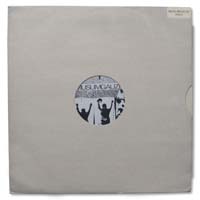 1983Kabul