

Muslimgauze returns with At The City Of The Dead
At The City Of The Dead- Album Overview
"At The City Of The Dead," released in 1996, is a significant contribution to the expansive discography of the late British electronic artist Muslimgauze, known for his unique fusion of Middle Eastern sounds with experimental electronic music. This album was released on the label Staalplaat, a platform that has been pivotal in promoting avant-garde music. Muslimgauze, whose real name was Bryn Jones, was renowned for his politically charged themes, and this album is no exception, exploring the complexities and tensions of Middle Eastern culture and conflict through sound.
The production of "At The City Of The Dead" showcases Jones's signature style, characterized by intricate samples, heavy use of percussion, and a blend of traditional instrumentation with electronic elements. The tracks are layered with ambient textures and rhythmic complexity, inviting listeners into a soundscape that is both haunting and immersive. Jones often worked solo, but his collaborations with various artists and musicians, particularly those from Middle Eastern backgrounds, contributed to the authenticity of his work.
This album doesn't feature any singles in the traditional sense, but each track stands out as a potent statement, reflecting Jones's artistic vision. Muslimgauze's work is often celebrated for its cultural significance, as he sought to challenge Western perceptions of the Middle East through his music. "At The City Of The Dead" remains a powerful exploration of identity, conflict, and the human condition, ensuring that Muslimgauze's legacy continues to resonate with audiences worldwide.
Review
The sound of "At The City Of The Dead" is a remarkable tapestry of rich textures and vivid atmospheres, a hallmark of Muslimgauze's artistry. The album opens with a series of tracks that immediately immerse the listener in an otherworldly experience, blending field recordings with electronic beats that evoke a sense of place while transcending time. The rhythmic complexity is a standout feature, with intricate percussion that often feels like a heartbeat, grounding the ethereal soundscapes.
Lyrically, the album eschews traditional song structures, opting instead for a sonic narrative that speaks volumes through its instrumentation. While there are no lyrics in the conventional sense, the emotional weight carried by the samples and sounds is profound, making statements about war, culture, and resilience without the need for words. Muslimgauze's artistic vision remains clear: to provoke thought and evoke emotion through a sound that is unapologetically raw and authentic.
Highlights
- Rich, immersive soundscapes that transport listeners to different cultural realms.
- Intricate percussion that showcases Muslimgauze's unique rhythmic style.
- Powerful political and cultural commentary conveyed through instrumental music.
Weak points
- The lack of conventional song structures may alienate some listeners.
- Tracks can feel overwhelming due to their complexity and density.
- Limited accessibility for those unfamiliar with experimental electronic music.
Overall evaluation
"At The City Of The Dead" is a formidable entry in Muslimgauze's catalog, encapsulating his innovative approach to music and his commitment to cultural exploration. While it may not cater to mainstream tastes, its artistic integrity and significance are undeniable.
Personal rating: 8/10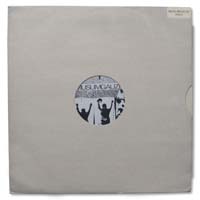 1983Kabul