

Muslimgauze raises the bar with Hajj
Hajj- Album Overview
Released in 1996, "Hajj" is one of the pivotal works by the British electronic musician Muslimgauze, known for his innovative blend of Middle Eastern music and electronic soundscapes. The album was released on the label Soleilmoon Recordings, which was a key platform for Muslimgauze's work, allowing him to reach a broader audience. "Hajj" is named after the Islamic pilgrimage to Mecca, reflecting Muslimgauze's deep engagement with Middle Eastern themes and issues. The album consists of seven tracks, each characterized by intricate percussion, evocative samples, and ambient textures that transport listeners to another world. Muslimgauze, whose real name was Bryn Jones, was known for his prolific output, often recording and releasing multiple albums in a single year. "Hajj" is no exception, showcasing his ability to create a cohesive sonic narrative while exploring themes of spirituality, conflict, and cultural identity. The tracks on this album feature a mix of traditional Middle Eastern instrumentation and modern electronic production techniques, showcasing his skill in fusing genres. Collaborators on the album are not explicitly credited, as Muslimgauze often worked in solitude, but his influences are palpable throughout the work. Singles from "Hajj" include tracks that stand out for their rhythmic complexity and atmospheric depth, contributing to Muslimgauze's reputation as a pioneer in the world of electronic music. The album is significant not only for its unique sound but also for its cultural commentary, addressing the nuances of the Muslim experience in a post-colonial context. Muslimgauze's work continues to resonate in contemporary music, influencing artists across various genres and solidifying his legacy as a visionary in the realm of experimental sound.
Review
"Hajj" is a masterclass in sound design, with Muslimgauze expertly layering samples and beats to create a rich tapestry of sound. The album eschews traditional song structures in favor of a more fluid, immersive experience, allowing listeners to explore different sonic landscapes. The use of field recordings and traditional instruments creates a sense of authenticity and depth, while the electronic elements propel the music into contemporary territory. Lyrically, the album is sparse, relying on the power of sound to convey its message rather than overt words. This approach aligns with Muslimgauze's artistic vision, which often sought to evoke emotions and ideas through abstract sound rather than clear lyrical narratives. The spiritual undertones of "Hajj" are palpable—each track feels like a journey, echoing the pilgrimage's significance and the broader themes of faith and struggle. Overall, "Hajj" stands as a compelling entry in Muslimgauze's discography, showcasing his unique ability to blend cultural references with modern electronic music, making it both a profound listening experience and a critical commentary on contemporary issues.
Highlights
- Intricate percussion and atmospheric soundscapes
- Deep cultural and spiritual themes
- Innovative fusion of traditional and electronic music
Weak points
- Lack of traditional song structure may alienate some listeners
- Sparse lyrical content might limit accessibility
- Potentially overwhelming for those unfamiliar with the genre
Overall evaluation
"Hajj" is a significant work that exemplifies Muslimgauze's groundbreaking approach to music, weaving together cultural narratives and electronic innovation. It stands as a testament to his artistic vision and remains influential within the genre.
Personal rating: 9/10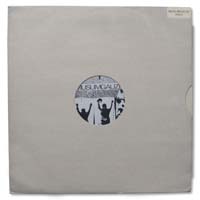 1983Kabul