

Izlamaphobia: exploring the world of Muslimgauze
Izlamaphobia- Album Overview
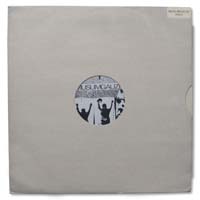
"Izlamaphobia," released in 1995, is one of the seminal works by the British electronic artist Muslimgauze, whose real name was Bryn Jones. Known for his unique blend of ambient and industrial music infused with Middle Eastern influences, Jones produced this album under the label Staalplaat. This release is emblematic of Muslimgauze's ability to weave intricate soundscapes that reflect his political and cultural critiques of the West's relationship with the Islamic world. The album features a series of tracks that utilize samples from traditional instruments, spoken word, and field recordings, creating a dense auditory tapestry that evokes both a sense of urgency and introspection. "Izlamaphobia" is not just an album but a sonic journey that explores themes of identity, conflict, and resistance. It consists of several tracks, with titles that often reflect political and cultural references, showcasing Jones's commitment to addressing issues such as the Palestinian struggle and broader Islamic identity. This release was notable for its innovative use of drum machines and synthesizers, which, combined with Jones's sampling techniques, create a sound that is both rhythmic and haunting. The album also stands out for its lack of traditional song structures, which challenges listeners to engage with the music on a deeper level. Muslimgauze's work has garnered a cult following over the years, and "Izlamaphobia" remains a vital part of the discussion around music as a form of political expression. As such, it has influenced a wide range of artists across genres, establishing Jones as a pivotal figure in the evolution of experimental music.
Review
"Izlamaphobia" is a compelling exploration of sound that pushes the boundaries of electronic music. Muslimgauze employs an array of textures, blending ethereal melodies with harsh, mechanical beats to create an atmosphere that is both immersive and thought-provoking. The album captures a visceral sense of cultural tension, as it simultaneously celebrates and critiques the complexities of Islamic identity in a post-colonial context. The absence of conventional lyrics allows listeners to interpret the music in a personal way, engaging them with the political narratives that underpin each track. The interplay of samples from various cultural sources further enriches the listening experience, making it not just an album, but a commentary on contemporary issues. Muslimgauze’s artistic vision is bold; he confronts the listener with the realities of the world while inviting them into a deeply introspective space. However, this approach may alienate those looking for more traditional song structures, as the fluidity of the tracks can be challenging to navigate. Yet, for those willing to delve into its layers, "Izlamaphobia" offers a profoundly rewarding experience, revealing new insights with each listen.
Highlights
- Innovative use of samples and textures that create a unique soundscape.
- Strong political and cultural commentary woven throughout the tracks.
- Ambitious and immersive listening experience that challenges conventional music norms.
Weak points
- Lack of conventional song structures may deter some listeners.
- Dense sound design can be overwhelming on first listen.
- Limited accessibility for those unfamiliar with Muslimgauze's style.
Overall evaluation
"Izlamaphobia" stands as a potent testament to Bryn Jones's artistic vision and his ability to fuse music with meaningful social commentary. The album is both a challenging and rewarding listen, inviting audiences to engage with complex themes through innovative sound. Personal rating: 8/10
 1983Kabul