

Opaques: the story Muslimgauze wants to tell
Opaques- Album Overview
"Opaques," released in 2002, is one of the last albums by the influential electronic artist Muslimgauze, whose real name was Bryn Jones. Known for his unique fusion of Middle Eastern sounds with electronic music, Jones passed away in 1999, but his extensive body of work continues to resonate in the realms of experimental and world music. "Opaques" was released under the label Staalplaat, which has a reputation for showcasing avant-garde and underground music. This album encapsulates Muslimgauze's signature style, characterized by heavy use of percussion, sampling, and a deep engagement with political themes, particularly relating to the Middle East. The album features a variety of tracks that weave together ambient soundscapes with rhythmic elements, creating a tapestry that reflects both a personal and political narrative. Collaborators on this album include various artists who helped to shape the final sound, although specific credits on the album are limited, consistent with Muslimgauze's often solitary approach to music production. The tracks frequently employ traditional instrumentation alongside electronic beats, a hallmark of Muslimgauze's work that seeks to draw connections between past and present. "Opaques" serves as a significant artifact in Muslimgauze's oeuvre, representing his ongoing exploration of identity and conflict, while also showcasing his ability to innovate within the genre. The album did not produce any commercially successful singles but remains a cult favorite among fans of experimental music. Its cultural significance lies in its ability to address complex themes through an accessible yet challenging musical format.
Review
The sound of "Opaques" is a rich and intricate layering of textures that is both captivating and haunting. Muslimgauze's mastery of rhythm is evident throughout the album, with pulsating beats that evoke a sense of urgency and movement. The incorporation of traditional Middle Eastern instruments, such as the oud and various percussion, alongside electronic elements creates a hypnotic soundscape that invites listeners to explore deeper meanings behind the music. Lyrically, "Opaques" is sparse, which is a conscious artistic choice that allows the music to speak for itself. This minimalism underscores the emotional weight of the tracks, where the absence of words becomes a powerful commentary on the themes of conflict and identity. Muslimgauze’s artistic vision is clear: he aims to create an immersive experience that transcends language, communicating complex ideas through sound. The album stands out for its ability to bridge cultural divides, presenting a sonic experience that is both globally aware and deeply personal. "Opaques" challenges listeners to confront their perceptions of the Middle East and the narratives that surround it, making it a significant work not only in Muslimgauze's discography but also in the broader context of electronic and world music.
Highlights
- Captivating and intricate layering of sounds.
- Masterful incorporation of traditional Middle Eastern instruments.
- Deep political and cultural themes conveyed through minimal lyrics.
Weak points
- The album may be challenging for listeners unfamiliar with Muslimgauze's style.
- Lack of commercial singles may limit its mainstream appeal.
- Some tracks could feel repetitive due to similar rhythmic structures.
Overall evaluation
"Opaques" is a profound exploration of sound and meaning, showcasing Muslimgauze's unique ability to merge the traditional with the avant-garde. While it may not appeal to everyone, its cultural richness and innovative sound make it a significant addition to his legacy.
Personal rating: 8/10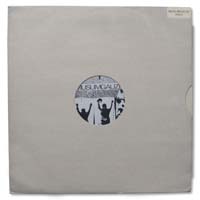 1983Kabul