

Is Sandtrafikar Muslimgauze's best work yet?
Sandtrafikar- Album Overview
Released in 1997, "Sandtrafikar" is one of the prominent albums by the enigmatic British electronic artist Muslimgauze, known for his unique fusion of Middle Eastern sounds with electronic music. The album was released on the respected label Staalplaat, which has been instrumental in promoting avant-garde and experimental music. Muslimgauze, whose real name was Bryn Jones, was prolific in his output, often releasing multiple albums each year, and "Sandtrafikar" is no exception to his distinctive style that blends traditional Middle Eastern instrumentation with contemporary electronic beats.
The recording of "Sandtrafikar" reflects Jones's ongoing exploration of themes related to Middle Eastern culture and politics, often infused with a sense of urgency and a critique of Western perceptions of the region. The album comprises several tracks that showcase an array of percussive elements and intricate soundscapes, layered with samples that evoke the spirit of the Middle East. It is notable that Muslimgauze’s work often transcends mere musicality, serving as a commentary on geopolitical issues, especially concerning Palestine.
While specific singles from the album may not have gained mainstream attention, the tracks resonate deeply within underground circles, contributing to the ongoing dialogue about cultural appropriation and representation in music. Muslimgauze's work has inspired many artists across genres, making "Sandtrafikar" a significant entry in his discography and a testament to his innovative spirit.
Review
"Sandtrafikar" epitomizes Muslimgauze's signature sound, characterized by hypnotic rhythms and eclectic sampling. The album's tracks are imbued with a haunting quality, creating an atmosphere that is both meditative and provocative. Muslimgauze's ability to blend traditional Middle Eastern motifs with electronic elements results in a sound that feels both timeless and contemporary. The lack of lyrics in many of the tracks allows the listener to focus on the intricate sound design and the emotional weight carried by the music itself.
While the album may not feature conventional song structures, each piece unfolds like a sonic journey, inviting listeners to immerse themselves fully in the textures and rhythms. The artistic vision behind "Sandtrafikar" is clear: to challenge and reshape perceptions of Middle Eastern music through the lens of modern electronic influences. This intent is particularly relevant in today's sociopolitical climate, making the album not just a musical endeavor but also a cultural statement.
Highlights
- Innovative fusion of traditional Middle Eastern sounds with contemporary electronic music.
- Intricate soundscapes that evoke deep emotional responses.
- A strong cultural and political commentary woven into the fabric of the music.
Weak points
- Lack of mainstream appeal may limit its reach to wider audiences.
- Some listeners may find the absence of conventional song structures challenging.
- Production quality varies across tracks, which may affect the listening experience.
Overall evaluation
"Sandtrafikar" stands as a powerful testament to Muslimgauze's artistic vision and cultural significance. It is an album that requires active listening and engagement, rewarding those who delve into its depths with a rich and thought-provoking experience.
Personal rating: 8/10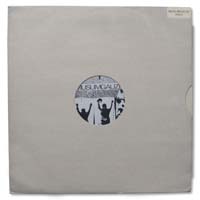 1983Kabul