

From intro to finale: what Hamas Cinema Gaza Strip delivers
Hamas Cinema Gaza Strip- Album Overview
"Hamas Cinema Gaza Strip" is a compelling and challenging album by the influential British electronic artist Muslimgauze, released in 1996. Known for his politically charged soundscapes, Muslimgauze, the alias of Bryn Jones, delves into the complexities of Middle Eastern politics through his music. This album is no exception, as it reflects the tumultuous environment of Gaza during the 1990s, a period marked by conflict and strife. The album was released under the label Staalplaat, which was known for promoting experimental and avant-garde music, and it showcased Jones's unique ability to blend traditional Middle Eastern sounds with modern electronic music. Muslimgauze's production style is characterized by intricate layers of percussion, samples, and ambient textures, which transport listeners into the heart of the issues he addresses. "Hamas Cinema Gaza Strip" consists of several tracks that employ a variety of instruments, including traditional Middle Eastern ones, layered with electronic beats and samples. Notable tracks from the album include "Hamas 4," which exemplifies his signature blend of rhythms and political commentary. While Muslimgauze often operated largely in isolation, his work was a response to the cultural and political landscapes of the regions he sought to represent. The album is a part of a larger body of work that seeks to illuminate the struggles faced by the Palestinian people, making it not just a musical endeavor but a cultural statement. The album's title itself is provocative, drawing attention to the complex narratives that surround the Gaza Strip and the role of cinema as a medium for understanding conflict. Overall, "Hamas Cinema Gaza Strip" serves as an urgent reminder of the power of music as a form of activism and commentary, an embodiment of Muslimgauze's commitment to giving a voice to the voiceless.
Review
The sound of "Hamas Cinema Gaza Strip" is a rich tapestry woven from the threads of traditional Middle Eastern music and modern electronic production. Muslimgauze's approach to composition is both abstract and visceral, creating an immersive listening experience. The rhythmic complexity of tracks is arresting, with intricate percussive elements that evoke the heartbeat of the region he seeks to represent. Lyrically, the album eschews traditional song structures, instead using samples and sound bites that comment on the socio-political climate. This choice emphasizes the urgency of the messages embedded within the music. Muslimgauze's artistic vision is one of unflinching honesty, as he captures the chaos and beauty of life in Gaza through his unique lens. While the album may not appeal to all listeners due to its experimental nature, those willing to engage with it will find a profound exploration of cultural identity and resistance. Muslimgauze's use of sound as a medium for storytelling is both innovative and impactful, making "Hamas Cinema Gaza Strip" a significant contribution to the genre of electronic music and politically charged art.
Highlights
- Intricate and immersive soundscapes that blend traditional and electronic elements.
- A deep cultural and political commentary that resonates with contemporary issues.
- Innovative use of samples that enhance the thematic depth of the album.
Weak points
- Its avant-garde style may alienate mainstream audiences.
- Lack of conventional song structures could be off-putting for some listeners.
- Heavy reliance on samples may limit the originality perceived in some tracks.
Overall evaluation
"Hamas Cinema Gaza Strip" stands as a provocative and essential work within Muslimgauze's discography. It successfully merges art and activism, inviting listeners to confront complex realities through sound. While its experimental nature may not cater to all tastes, its cultural significance is undeniable.
Personal rating: 8/10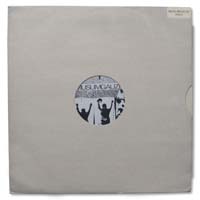 1983Kabul