

Unpacking Muslimgauze's Betrayal
Betrayal- Album Overview
"Betrayal," released in 1996, is a notable work by the influential British electronic artist Muslimgauze, whose real name was Bryn Jones. The album was released under the label Staalplaat, known for its dedication to avant-garde and experimental music. Muslimgauze is renowned for his unique fusion of Middle Eastern sounds and electronic music, employing traditional instruments and samples alongside synthetic beats. "Betrayal" continues this exploration, featuring a blend of ambient textures, heavy percussion, and samples that evoke a profound sense of place and culture.
The album's production is characterized by its layered soundscapes, created using a combination of drum machines, synthesizers, and field recordings. Jones's commitment to addressing political themes, particularly the struggles in the Middle East, is evident throughout the album. "Betrayal" includes tracks that reflect on conflict and identity, with titles often hinting at deeper narratives and historical contexts. The album consists of several pieces that transition seamlessly from one to the next, creating a continuous auditory experience.
Despite the lack of mainstream recognition during his lifetime, Muslimgauze's work gained significant acclaim posthumously, influencing a wide range of artists across genres. "Betrayal" stands out as a pivotal entry in his discography, showcasing his ability to convey complex emotions and political messages through sound. The album did not produce any traditional singles but has been praised by critics for its depth and innovation, solidifying Muslimgauze's status as a key figure in electronic and world music.
Review
"Betrayal" is an immersive auditory journey that encapsulates Muslimgauze's artistic vision. The album's sound is both hypnotic and disorienting, drawing listeners into a world of intricate rhythms and evocative samples. Each track unfolds like a story, layering textures that reflect the tumultuous nature of its themes. The use of traditional Middle Eastern instruments alongside contemporary electronic production creates a compelling contrast that highlights Muslimgauze's innovative approach to music-making.
Lyrically, while the album is largely instrumental, the titles and samples used convey powerful messages regarding conflict, identity, and cultural heritage. Muslimgauze's ability to weave these themes into his music without overt lyrics is a testament to his artistry. The intricate percussive elements and ambient sounds invite introspection, urging the listener to engage with the socio-political narratives that underpin the work. Overall, "Betrayal" is a significant album that challenges conventional music norms and encourages a deeper understanding of the world through sound.
Highlights
- Innovative fusion of electronic and Middle Eastern sounds.
- Deeply immersive soundscapes that invite introspection.
- Strong political and cultural themes woven throughout the tracks.
Weak points
- Lack of traditional song structures may alienate some listeners.
- Limited accessibility without prior knowledge of Muslimgauze's context.
- Some tracks may feel repetitive due to their ambient nature.
Overall evaluation
"Betrayal" stands as a testament to Muslimgauze's unique vision and ability to merge sound with significant cultural commentary. While it may not appeal to all listeners due to its experimental nature, it remains a powerful piece of art that resonates with those willing to engage with its depth.
Personal rating: 8/10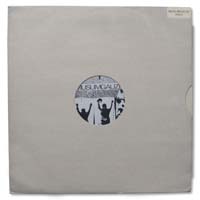 1983Kabul