

Citadel: the next chapter for Muslimgauze
Citadel- Album Overview
The album "Citadel" by Muslimgauze, released in 1997, represents a significant chapter in the prolific output of Bryn Jones, the enigmatic figure behind the project. Known for his experimental approach to electronic music, Muslimgauze blended ambient, industrial, and world music influences to create a distinctive sound that often addressed themes of conflict in the Middle East, particularly the Palestinian struggle. "Citadel" was released under the label Staalplaat, which was known for its focus on avant-garde and experimental music, providing a fitting platform for Jones's innovative style.
Recorded in his home studio, the album showcases Jones's mastery of rhythm and texture, featuring layers of intricate percussion, haunting vocal samples, and atmospheric soundscapes. While Jones often worked alone, he occasionally collaborated with other artists and producers, although "Citadel" is primarily a solo effort. The album comprises several tracks that feature a range of sonic explorations, from the driving beats of "Intifada" to the more subdued textural pieces like "Gulf War," which reflects the political climates of the time.
In the years following its release, "Citadel" has been recognized for its cultural significance, as it captures the zeitgeist of the 1990s, a decade marked by geopolitical turmoil and social upheaval. Critics have praised the album for its ability to evoke strong emotions and provoke thought through sound, making it a landmark in the genre of electronic music. Despite Muslimgauze's relatively low commercial profile during his lifetime, his work has garnered a cult following, and "Citadel" remains a vital part of his discography.
Review
"Citadel" epitomizes Muslimgauze's artistic vision, marked by a commitment to exploring complex themes through a rich sonic palette. The album's sound is characterized by its intricate layering and innovative use of samples, which create a hypnotic effect that draws listeners into its world. The tracks seamlessly blend elements of traditional Middle Eastern music with modern electronic production, resulting in a sound that is both timeless and contemporary.
Lyrically, while Muslimgauze often eschewed traditional song structures, the vocal samples used in "Citadel" convey powerful messages about conflict and resilience. The absence of explicit lyrics invites listeners to engage with the music on a deeper level, allowing them to interpret the emotional weight of the soundscapes in their own way. The artistic vision of Muslimgauze shines through in his ability to blend political commentary with musical experimentation, making "Citadel" not only a listening experience but also a thought-provoking journey.
Highlights
- Innovative blending of traditional and electronic sounds.
- Deeply evocative atmosphere that captures complex themes.
- Rich layering of textures that invites repeated listens.
Weak points
- Limited accessibility for mainstream audiences.
- Some tracks may feel repetitive to casual listeners.
- Lack of conventional song structures might alienate some fans.
Overall evaluation
"Citadel" stands as a testament to Muslimgauze's unique vision and his ability to fuse complex themes with innovative soundscapes. While it may not cater to everyone's tastes, for those willing to engage with its depth, the album offers a rich and rewarding experience.
Personal rating: 8/10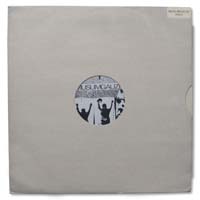 1983Kabul