

Is Hussein Mahmood Jeeb Tehar Gass Muslimgauze's best work yet?
Hussein Mahmood Jeeb Tehar Gass- Album Overview
"Hussein Mahmood Jeeb Tehar Gass," released in 1996, is one of the standout albums by the prolific British electronic artist Muslimgauze, known for his experimental soundscapes infused with Middle Eastern musical elements. This album was released under the label Staalplaat, which was known for its dedication to avant-garde and experimental music. Muslimgauze, the pseudonym of Bryn Jones, was renowned for his commitment to exploring political themes and cultural identity through his music. The album's title references political figures and cultural narratives from the Arab world, a recurring motif in Jones's work.
The recording features a series of tracks that seamlessly blend intricate percussion, ethereal synths, and samples that evoke the sounds of the Middle East. The production is characterized by its layered textures and rhythmic complexity, showcasing Jones's ability to create immersive soundscapes. While the album does not have traditional singles, tracks like "Zarqawi" and "Hussein" have gained attention for their compelling compositions and thematic depth.
Muslimgauze's work often serves as a commentary on sociopolitical issues, particularly those affecting the Arab world, and "Hussein Mahmood Jeeb Tehar Gass" is no exception. The album stands as a testament to Jones's artistic vision, merging music with activism and cultural representation. It continues to resonate with listeners for its innovative approach to electronic music and its poignant exploration of identity and conflict.
Review
The sound of "Hussein Mahmood Jeeb Tehar Gass" is a rich tapestry of intricate rhythms and evocative melodies, showcasing Muslimgauze's signature style that melds traditional Middle Eastern influences with avant-garde electronic music. Each track invites listeners into a world where the beats pulse with urgency, reflecting the sociopolitical landscapes that inspired them. The album's production quality is high, with a polished yet raw edge that allows the listener to feel the authenticity of the cultural elements incorporated throughout.
Lyrically, the album is sparse, relying heavily on instrumental storytelling. This choice effectively places emphasis on the sonic experience rather than conventional lyricism, allowing the music to speak for itself. Muslimgauze's artistic vision is clear: he seeks to provoke thought and evoke emotion through sound, rather than through words alone. This approach creates a unique listening experience that is both immersive and thought-provoking, challenging listeners to engage with the deeper themes present within the music.
Highlights
- Rich, complex soundscapes that blend electronic and traditional elements.
- Thought-provoking themes that reflect sociopolitical issues of the Arab world.
- Innovative production that showcases Muslimgauze's mastery of rhythm and texture.
Weak points
- Some tracks may feel repetitive to casual listeners not attuned to experimental music.
- The lack of conventional song structures might alienate mainstream audiences.
- Limited accessibility due to niche appeal and cultural specificity.
Overall evaluation
"Hussein Mahmood Jeeb Tehar Gass" stands as a significant work in Muslimgauze's discography, reflecting his unique approach to electronic music and cultural commentary. While it may not appeal to everyone due to its experimental nature, it is a powerful exploration of identity and politics through sound. This album certainly deserves recognition as one of Muslimgauze's best works.
Personal rating: 8/10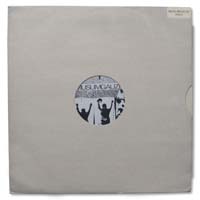 1983Kabul