

One week with Dar Es Salaam: thoughts on Muslimgauze
Dar Es Salaam- Album Overview
"Dar Es Salaam," released in 1996, is one of the notable works by the prolific British electronic artist Muslimgauze, known for his unique blend of Middle Eastern sounds and Western electronic music. The album was released on the label Staalplaat, which was instrumental in promoting experimental and avant-garde music. Muslimgauze, the pseudonym of Bryn Jones, created a vast discography during his lifetime, with "Dar Es Salaam" reflecting his commitment to exploring themes related to the Middle East, particularly the socio-political issues and cultural aspects of the region.
The album consists of several tracks that incorporate intricate percussion, sampling, and ambient sounds, forging a soundscape that is both immersive and thought-provoking. The title track, along with others such as "Koran," exemplifies Jones's ability to weave traditional sounds with modern electronic techniques. His use of samples and loops creates an atmosphere that feels both ancient and contemporary, inviting listeners into a deep auditory experience.
Although Muslimgauze was a controversial figure, his work remains significant in the realm of electronic music, often cited for its political undertones and cultural commentary. The album features no traditional lyrics; instead, it communicates its message through sound and rhythm, making it a piece that transcends language barriers. Jones's ability to capture the essence of his themes through music alone is a testament to his artistic vision. "Dar Es Salaam" stands as an important entry in Muslimgauze's discography, showcasing his innovative approach to sound and his dedication to cultural representation.
Review
The sound of "Dar Es Salaam" is a complex tapestry of textures and rhythms that demands active listening. Muslimgauze crafts a sonic landscape that is both challenging and rewarding, blending hypnotic beats with samples that evoke a sense of place and history. The album's tracks flow seamlessly into one another, creating a continuous experience that immerses the listener in its world. The absence of conventional song structures or lyrics is a bold artistic choice, allowing the music itself to narrate stories and evoke emotions.
Muslimgauze's artistic vision shines through in his ability to merge different musical traditions, creating a sound that feels both authentic and innovative. The use of traditional Middle Eastern instruments alongside electronic elements challenges the listener's perceptions and invites them to engage with the music on a deeper level. While some may find this approach esoteric, it is precisely this complexity that makes "Dar Es Salaam" a compelling and thought-provoking listen.
Highlights
- The innovative blend of electronic and traditional Middle Eastern sounds.
- The immersive and hypnotic soundscapes that encourage deep listening.
- The cultural and political significance embedded within the music.
Weak points
- The lack of traditional song structure may alienate some listeners.
- Some tracks may feel repetitive for those not accustomed to ambient music.
- The album's esoteric nature might limit its accessibility to a broader audience.
Overall evaluation
"Dar Es Salaam" is a significant work that showcases Muslimgauze's unique artistic voice and his ability to create compelling soundscapes that resonate with cultural depth. While it may not cater to all musical tastes, its innovative approach and rich textures make it a standout album in the realm of experimental music.
Personal rating: 8/10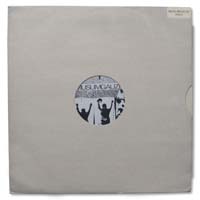 1983Kabul